


Nepal · Peak Climbing
Mera Peak Climbing
Trip Highlights
Trip Overview
Highlights of Mera Peak Climbing
- Day tour of UNESCO-listed world heritage sites in Kathmandu valley
- Scenic flight to Lukla from Kathmadnu
- Panoramic view of the mountains of the Khumbu region
- Summit of Mera Peak
- Encounter the Sherpa people and learn about their culture.
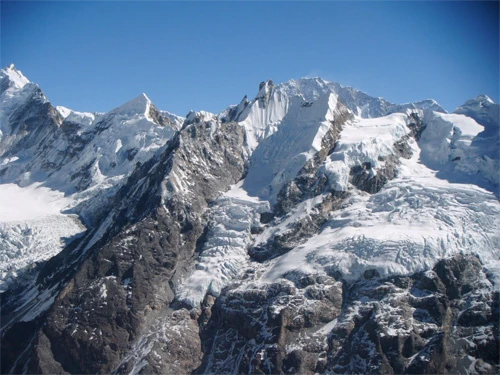
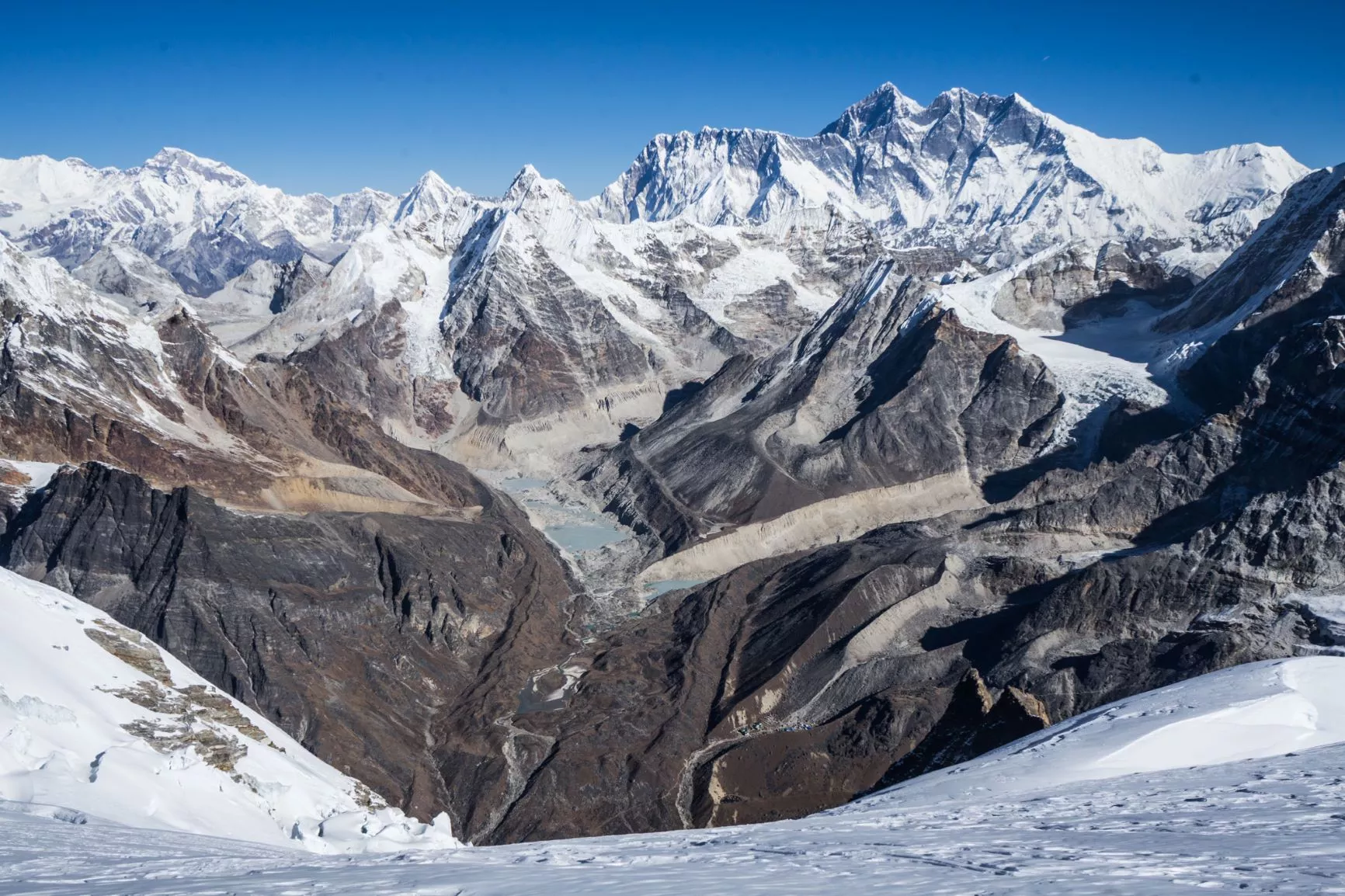
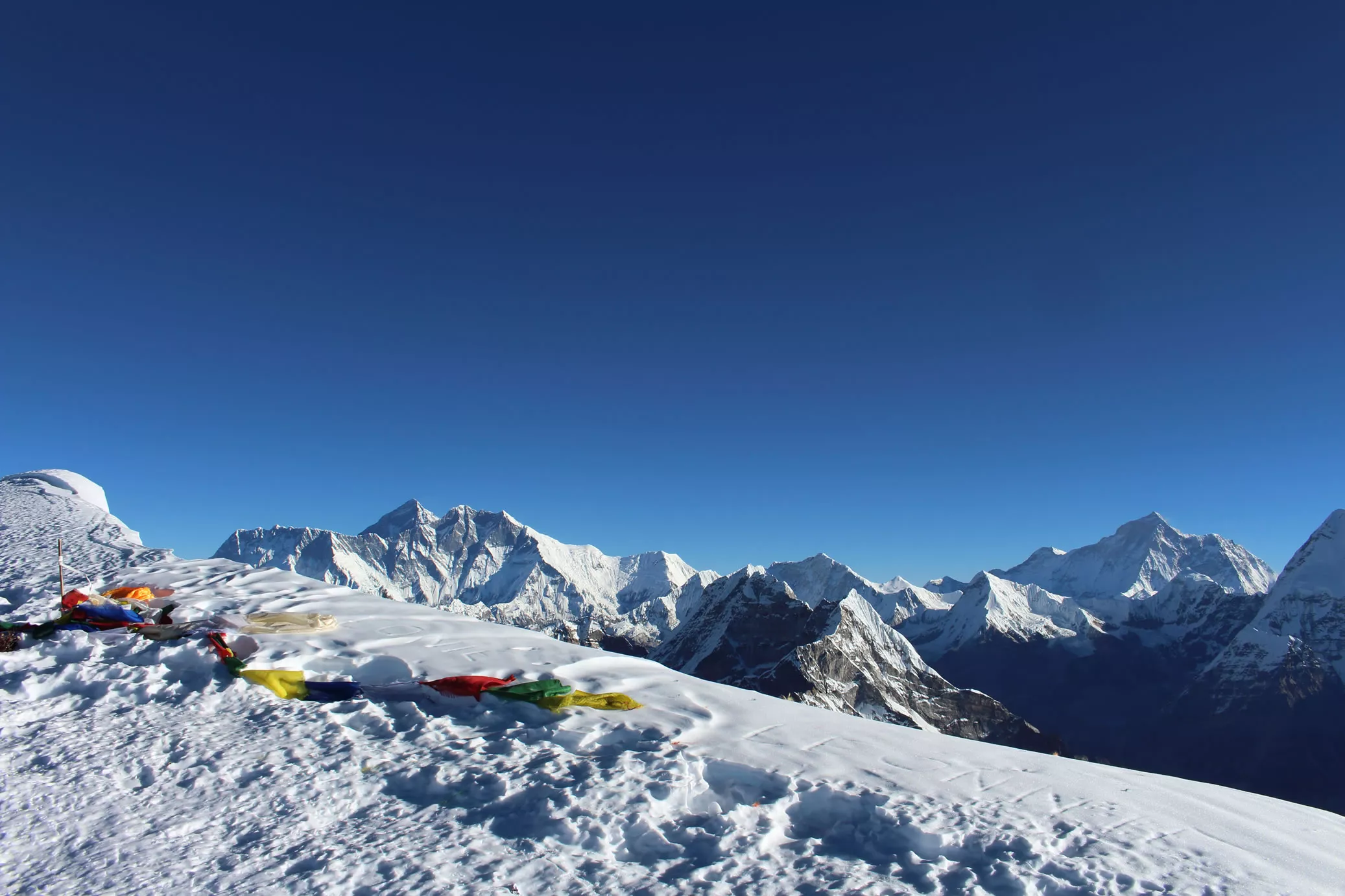
- Breathtaking views of Everest, Lhotse, Makalu, Baruntse, Cho Oyu, and many other small peaks of the Everest range
OVerview of Mera Peak
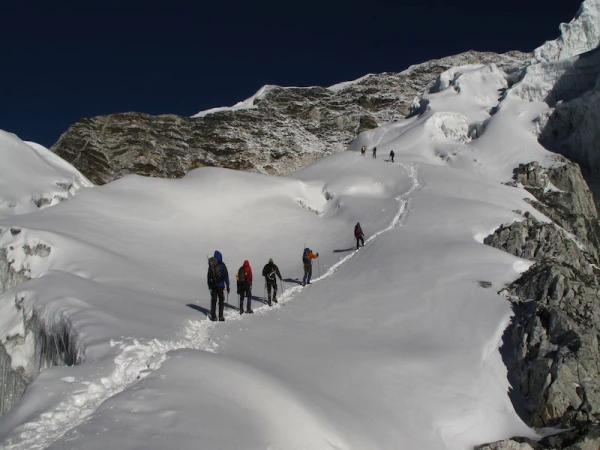
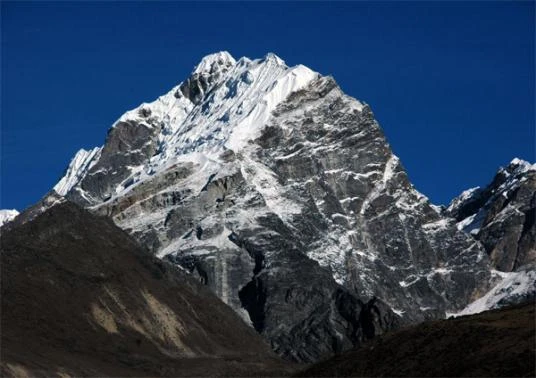
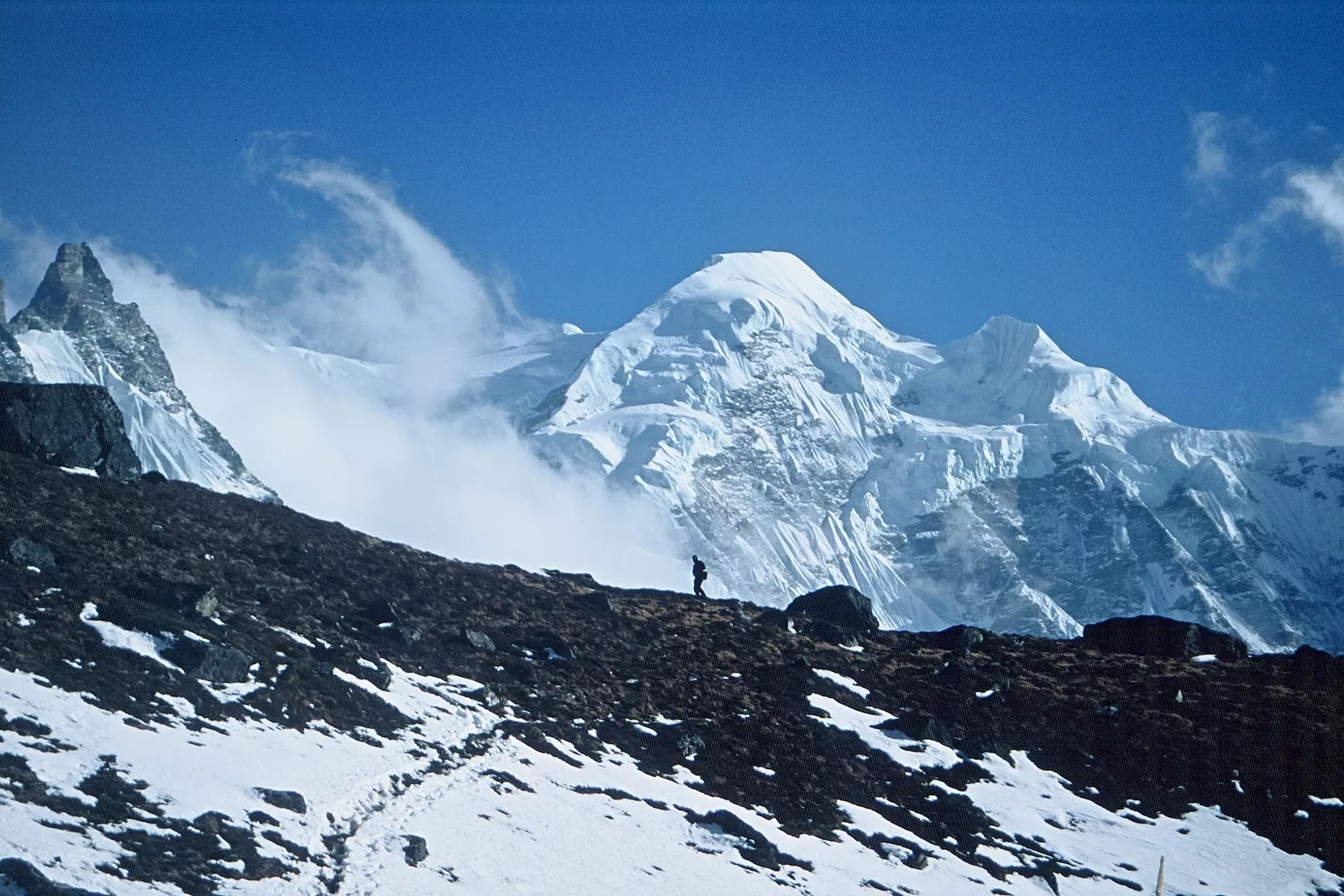
Mera Peak, standing tall at 6,476 meters (2,247 feet), is Nepal's highest trekking peak and a coveted destination for mountaineers seeking a thrilling adventure in the heart of the Himalayas. Situated in the remote Hinku valley within the Sagarmatha National Park, the journey to Mera Peak is a mesmerizing blend of pristine landscapes, traditional sherpa villages, and challenging alpine terrain. The climb offers an exhilariting mix of trekking and mountaineering, making it accessible to experienced trekkers with basic mountaineering skills.
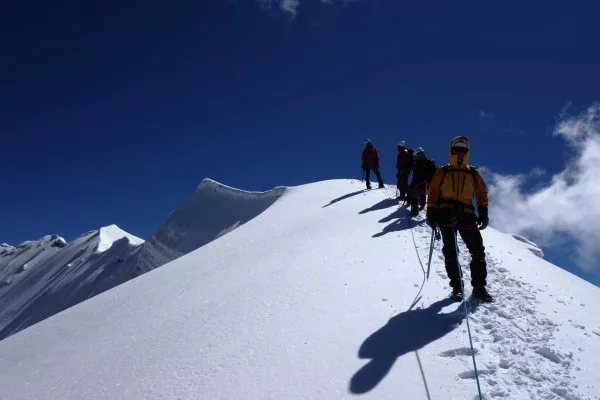
The expedition typically begins with a scenic flight from Kathmandu to the mountain airstrip of Lukla, followed by a trek through lust rhododendron forests, picturesque Sherpa settlements , and high-altitude landscapes adorned with breathtaking panaromas of towering peaks. As climbers ascend higher, they traverse glaciers and negotiate technical sections, including the iconic Chetra La Pass, before reaching the high camp. From there, the final push to the summit unfolds under the starlit sky, culminating in a sunrise spectacle offering unparalleled views of Everest, Lhotse, Makalu and Kanchenjunga, among other majestic peaks. Mera Peak climbing expedition encapsulates the essence of adventure, cultural immersion, and natural beauty, making it an unforgettable experience for those daring enough to conquer its summit.
Day-by-Day Itinerary
Upon your arrival in Kathmandu, our representative will be at Tribhuvan International Airport to greet you warmly and assist with your transfer to your hotel. Make the most of day by acclimating to the new time zone and fully embracing the vibrant ambiance of Kathmandu.The orientation program is scheduled for 5 pm, followed by a welcoming dinner with a guide.
After breakfast, our guide will take you to different attractions of Kathmandu Valley. Today, you will visit, Swoyambhunath, Boudhanath, Pashupatinath and Patan Durbar Square.
Lukla Flight is our first step towards all the trekking in the Everest Region. Its gateway is to Everest. The flight is about 40 – 45 minutes long. Soon after we will land in Lukla, Tenzing Norgay Airport, we will pause in Lukla for a brief orietation before the trek to Chutanga. After that we will have a scenic walk through the jungle of rhododendron pines. After walking 4-5 hours through woods and some tiny villages, we will reach Chuttanga. Our day will end in Chuttanga, with impressive mountains in the background.
After breakfast, we'll depart Chuttanga and set out on the path toward Thuli Kharka. Our journey will lead us through lively rhododendron forests, immersing us in their vibrant hues, before we arrive at the picturseque Yak pastures.
Ascending gradually, we'll arrive at the pass, where a breathtaking pannorama of diverse mountains awaits. After a serene pause to admire the view, we'll embark on a leisurely descent towards Tuli Kharka, traversing through lush forests and serene yak pastures. Upon reaching the picturesque Yak pasture of Thuli Kharka, an enchanting evening awaits, offering another captivating vista to behold.
After breakfast, we will embark on our descent from Thuli Kharka, gradually making our way through a lush forest adorned with oaks, pines, and rhododendrons. As we traverse downwards, we'll be treated to breathtaking vistas of Mera Peak, Kusum Kanguru peak 43, and the picturesque Hinku valley. Our journey downhill concludes as we reach th tranquil riverbed of the Hinku river. Once we cross the river, we'll enter Hinku valley, where the breathtaking scenery awaits us. As we continue forward, the trail gradually inclines through wooded areas until we reach Kothe, where we'll find several cozy tea houses awaiting our arrival.
We will start the trek with an uphill walk to upper Hinku valley. As we go higher, the trees will disappear, and deserted hills and mountains will become more apparent. We will walk on the sides of the cascading Hinku River to reach Gondishung for lunch. While resting there, we will see Kusum Kanguru, Thamserku, and Mera Peak. After the good lunch, we will ascend ahead. Walking short from Godishung, we will arrive at Lungsumgba Gompa, an ancient and important Buddhist gompa (Shrine). We will pay a visit and take blessings from the shrine to move ahead. Thangnak is around one hours walk from the Gompa. The walk is also relatively easy. We will reach Thangnak, yet another yak pasture of Mera Peak Climbing.
Our journey for the day will lead us to Khare, the base camp of Mera Peak. Beginning from Thangnak, we'll trek uphill with Khare as our destination. The route presents challenges with steep terrain, including navigating the Dig Glacier and Charpati Lake. The panoramic views encompass peaks, lakes, and glaciers, but caution is necessary due to rocky, icy, and glacier paths. Following our guides, we'll conquer the difficulty and arrive at Khare, where teahouses and gear shops await.
We will have an acclimatization day in Khare. It is vital to acclimatize before any ascent. We have to climb the tallest trekking peak in Nepal. We need decent acclimatization. Likewise, we must do pre-climb to condition ourselves for the terrain. Therefore, we will stay in Khare and prepare for Mera peak on this day. We will train with our climbing guide and team. The team will look for a perfect peak-like terrain to do climbing training. We will have a good training day in Khare.
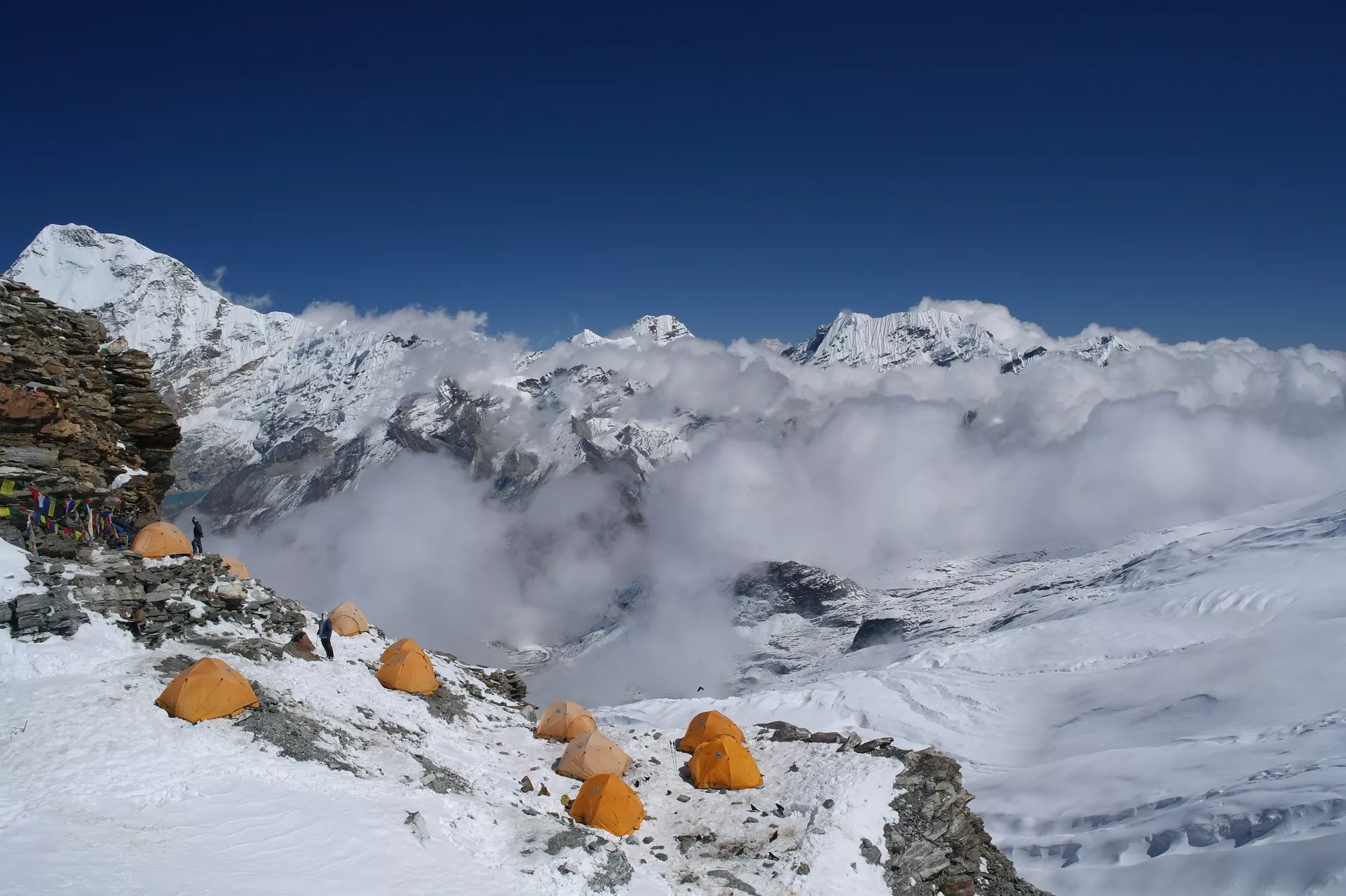
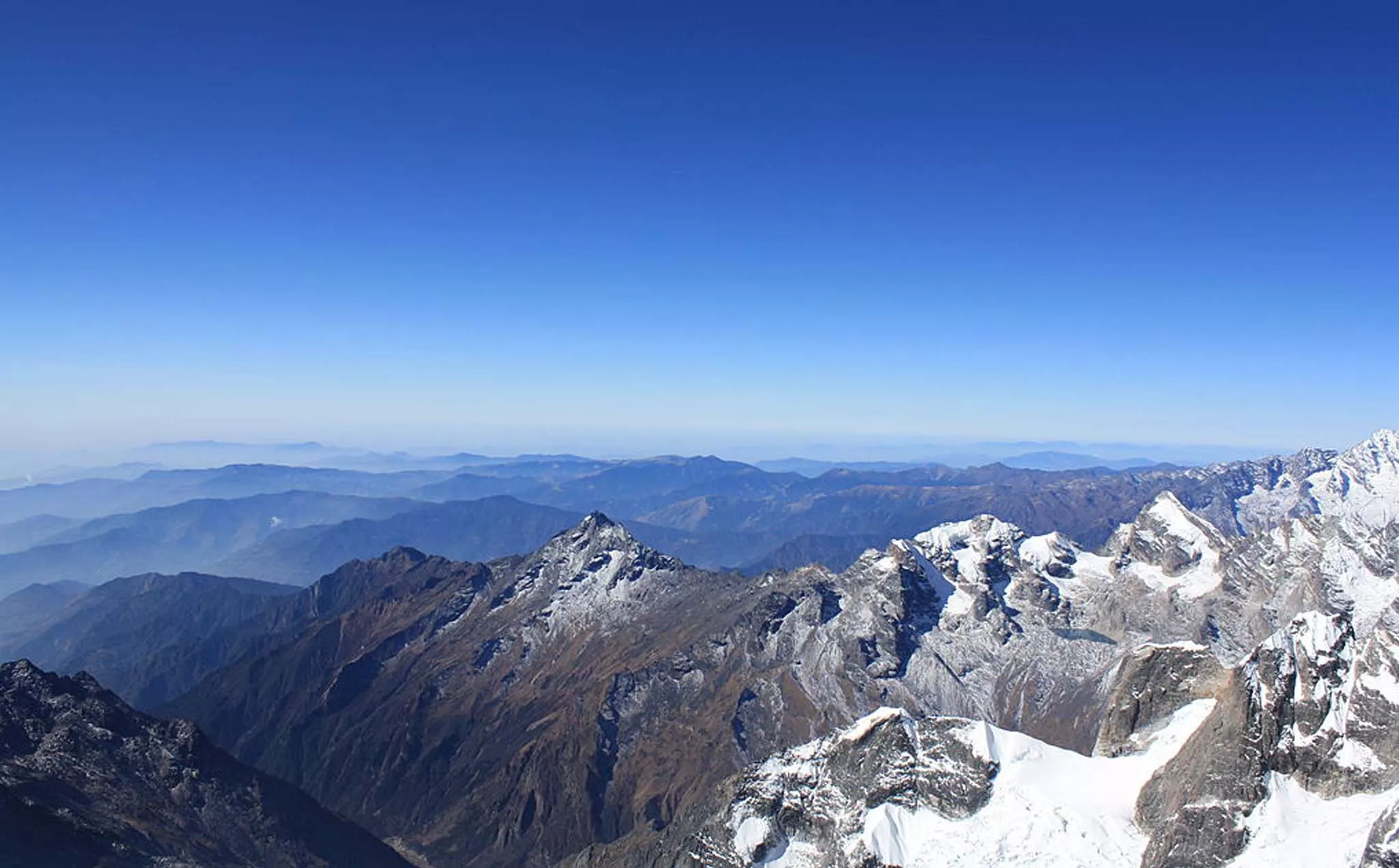
It is time to leave Khare. With an acclimatized and trained body, we will ascend through a rocky and steep trail by following our guide's foodsteps. The walk goes up from there through boulders and Mera Glacier. We have to be alert while climbing there. Finishing the trail, we will reach Mera La Pass, where we can enjoy a fantastic panorama. Mera peak looks amazingly close and clear. After the pass, we will gain some more height from the Mera glacier. There will be no technical parts until this point. The walk will eventually complete in Mera High Camp. Our Mera Peak climbing team will install a camp for the night. We will have dinner and rest in the center.
It is the day of the entire Mera range as you climb up the summit. You will continue hiking at 2 a.m. early in the morning to hit the summit before midday. After 12 p.m., the top of the Mera peak wind becomes heavy, which can make it harder to climb.
You should then follow in the footsteps of your seasoned guide after your meal. For no or limited technical climbs, you can quickly reach the summit, and you can do so in the right direction.
When you admire the mountains from the top, you will experience great achievement. After all, the vision has been fulfilled for months. Celebrate the victory for the night before going down to Khare.
The weather at high-altitude places in the Khumbu region is quite unpredictable. Such unstable weather is also present during the Mera peak climbing journey. Since the weather of such a region is not always certain, this is a reserved day for bad weather occurrences.
Since the bucket list was ticked off at the summit, it's time for Kothe to return to Khare. You pass through Thangnak in this stretch before you enter Kothe. The same place you stayed in is Thangnak after your arrival for one night. This time, however, you do not have to remain in Thangnak, as Kothe is easily accessible within 3 to 4 hours of walking.
On the other side of the Hinku Valley, the trek starts to ascend back to Thuli Kharka for about 2 hours across lush trees. This is a fun trip through the red forest of Rhododendron, with the tracks of the Nepal Himalayas. You will reach Chetra La Camp, where you will stay overnight.
You're going to be fascinated by everything you see on your way. You will want to keep the memories of these trails forever in the back of your mind. You're going to Lukla after 6 hours of following the trek. You plan on returning to Kathmandu next day. This is the last day in the prosperous area of Lukla and Everest. Seek to make the most of Lukla last night.
Take a morning flight from Lukla to Kathmandu. Explore Kathmandu, enjoy dinner and enjoy your last night in Kathmandu. Once you land at the airport, you'll be transferred to the hotel. Please note that flight operations are solely determined by the airline and may be influenced by the weather.
Use your last morning in Kathmandu according to your flight time. Pack your things, check out of the hotel, Head to Tribhuvan International Airport for your departure. Wishing you a safe and pleasant journey back home!
What's Included
Recommended Equipment
Available Departures
Frequently Asked Questions
Mera's peak is in the same Himalayan range that Mount Everest is located in, which is one of the Mahalangur ranges. If you don't know, the Himalayan Mahalangur location is situated in the Solukhumbu district on the northernmost side of Nepal.
The top of Mera is as high as 6,476 m (21,247 ft) in height. This top is known to be one of the world's highest trekking peaks. Three major peaks exist: the North Mera (6,476 m), the Central Mera (6,461 m), and the South Mera (6,065 m).
It takes about 6-7 hours from Base Camp to reach the Mera summit.
Mera Peak Climb is a simple exploration of mountains with little to no need for technical equipment. You don't need to carry Oxygen tanks or gamow bags. However, for unforeseen situations, our team leaders must also provide emergency resources. Hence, for emergencies, our trek leaders are going to have everything you may need.
The best time for climbing is during the months of April, May, September, and October in November. The temperature is favorable during these months. The night is less windy, and the days are sunny. The weather is not as cold as in winter and there are no big plumes as in monsoon.
Extra time: It is easier to add extra time while preparing your journey to Peak Climbing. The climatic conditions in the mountains you will never know about. Your flights could be delayed or cancelled due to bad weather. Also, you may have to rest a few days at a lower altitude when you suffer from a high altitude sickness.
Schedule for Acclimatization: It will be difficult to reach an altitude above 6000 m, so the right amount of acclimatization is important. Air conditioning is performed to allow the body to respond strongly to its surroundings. Before you climb up, you need to give your body a proper rest.
Adequate preparation: Before you begin this journey, your mind and body should be well prepared. A great deal of energy is required as the steep paths are ascending. The last steep ascent through the headwall is the most exciting part. You can conquer them by preparing properly.
Verify your equipment. In guaranteeing your health, gear plays a key role. To hit the top, you will need numerous mountain gears and kits. You can rent in Kathmandu or at the Chukhung, but it can be average. You must also properly test your equipment to ensure it does not break in storms or snowfall.
Research the weather and risks, and also check on some surviving tactics and techniques in extreme conditions.
You will be trekking for 6-7 hours a day, depending on the landscape and destination.
You need physical and technical training before you start your journey. A mountaineer should be well aware of the entire journey. On this climb, you bring mountain equipment like ropes, crampons, harnesses, etc. These gears are critical for fast and safe climbing. You will camp to adapt to camping life and, if possible, to use the facilities. This helps to increase the understanding of how to deal with them. You should do some physical activity yourself before climbing. For example, walking, swimming, cycling, etc. You reach the summit without hesitation with proper preparation and acclimatization schedules.
At 9,500 meters, Lukla is 2850 meters high. The higher the height, the less rain there is. The aircraft must then land quickly. The weather in this area is continuously shifting, and the cloud cover can be severe and contribute to large turbulences, which appear to be rough for travelers but not dangerous. In fact, it is the busiest airport in the world and the most important port of entry and exit for walkers trying to climb Everest.
Usually, between October and May, the flights are regular. However, you can encounter a delay or cancellation of the flight due to high altitudes, bad weather, or unexpected technical problems. In the case of these events, Discovery World Trekking charters a helicopter to ensure you are either on a safe journey or on your flight home, which is an unpredictable occurrence that will incur additional costs. If the visibility is less than 1,500 m, however, helicopter facilities cannot work, and the flight will have to be rescheduled. The Himalayan Social Journey will reschedule your flight for you. But please allocate one or two extra days for the journey.
Travel insurance and rescue when traveling to a remote destination like Nepal are strongly advised. It should provide adequate protection for the full duration of the tour. Your insurance policy must cover all the activities that you will be undertaking during your stay in Nepal, such as helicopter rescue, cancellation, air ambulance, injury, death, lost baggage, theft, liability, medical treatment, and covering repatriation and personal expenses. If a client becomes ill, all hospital expenses, doctors’ fees, and repatriation costs are the client’s responsibility. For reliable travel insurance, we have the suggestions of some of the best insurance companies: Cover more or Europe assistance or Travel Direct (TID. We have an agreement with Helicopter Company to do the payment for helicopter evacuation after we collect the payment from you once you have been rescued. And the reimbursement responsibility from your insurance company will go up to you. Be sure your policy specifically covers helicopter evacuation and does not exclude mountaineering or alpinism.
The insurance of the guide and porter is covered by the company. All our guides and porters are properly insured.
The maximum weight limit for the Lukla flight is 15 kg, which is equivalent to 33 pounds including your handbag (daypack). If your baggage exceeds the weight limits, additional costs of USD 1–2 per kg will be applicable, and the payment should be made at the airport counter itself.
Your baggage ought not to be in excess of 15 kg and will be carried by the porters. Porters and Yaks will just go with us until they leave our gear with us at the base camp and leave us for a couple of days during the climbing time frame. You will be liable for your own gear during the ascension. Travelers will bring a backpack or duffel bag to carry water, cameras, bathroom tissue, comfortable garments, and climbing gear. During the ascension, climbers must carry their own gear and are advised to keep any unnecessary or access stuff at their lodgings, and they can get it back after the journey.
On the trek, we'll be staying at simple lodges run by Nepali families. During the trek, the bathrooms are outside the rooms, and hot water is dependent on solar panels, so don't count on many warm showers. Most teahouses (lodges) in Everest region trails cook a delicious range of mostly vegetarian fare. Pasta, tuna bakes, noodles, potatoes, eggs, daal bhat (rice and lentils), bread, soup, fresh vegetables (variety depends on the season), and even some desserts like apple pies, pancakes, and some interesting attempts at custard. You will find a lot of garlic on the menu because it assists with acclimatization; eat some every day. In many villages, you may find some meat items on the menu. You can always get hot chocolate, tea, and hot lemon drinks, as well as soft drinks and treats like chocolate and crisps. During the camping season, our catering staff prepares hygienic food to serve you at Peak Base Camp and High Camp.
Yes, all are required. Climbing gear, tents, plastic climbing boots, crampons, climbing rope, ice axe, zoomer, harness, figure eight, carabineer, etc. will be provided by the company, including sleeping bags, camping tents, and duffel bags.
Traveler Reviews
"Best way to experience Nepal"
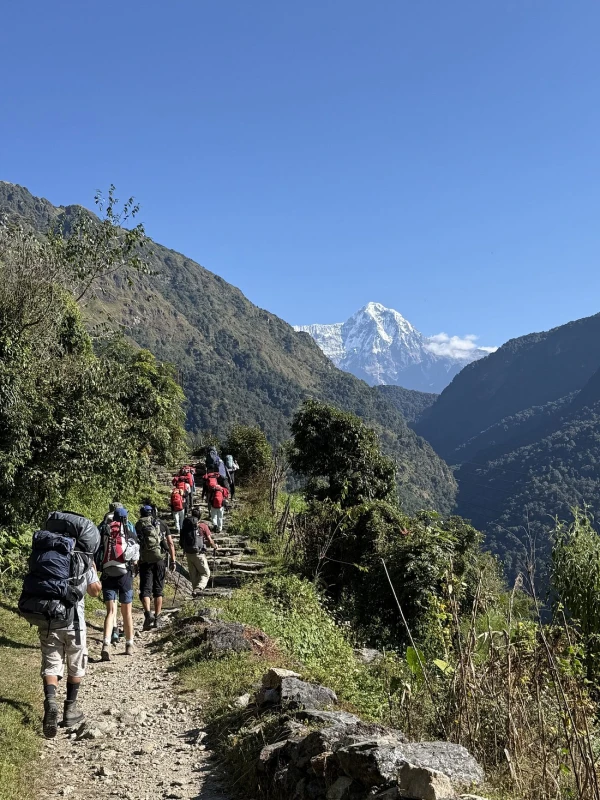
We did the 14 days Nepal budget tour and we could not be more happy with our choice. In only 2 weeks we visited Kathmandu, Chitwan national park, Pokhara and did a 5 day trek in the Annapurna region. The organization was flawless (like a swiss clock). We felt safe and welcomed in every place. Our guides Harka (Chitwan) and Ganesh (Pokhara and trek) + Bishal (our porter) did an outstanding job. We recommend them and the whole trip 100%. It was much better than we could have imagined. In the end, we recommand everyone to visit the beautiful places from Nepal and meet its warm and welcoming people.
"💯"
It was an wonderful experience with himalayan social journey,mingmar and Rupesh are our guide and they did so well. Everyday it was on time ,well planned and executed trek👍
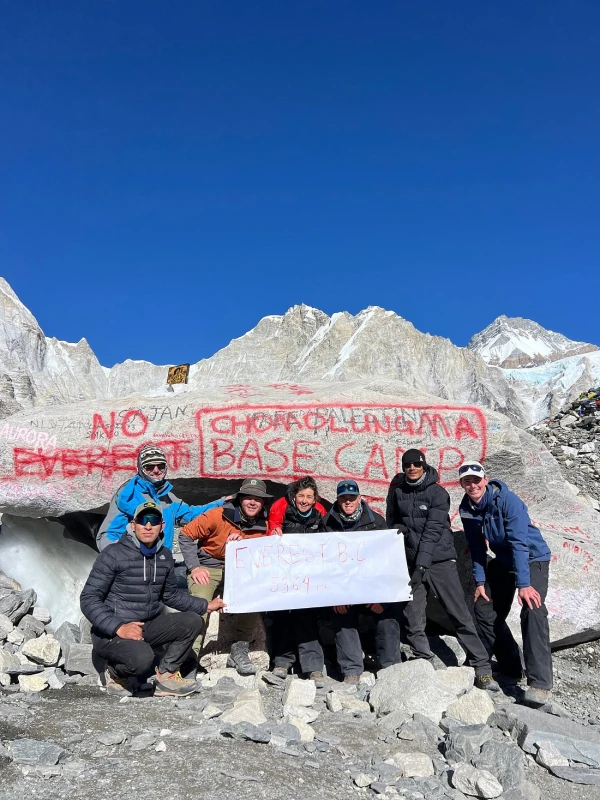
"Amazing Everest Base Camp Trek!!"
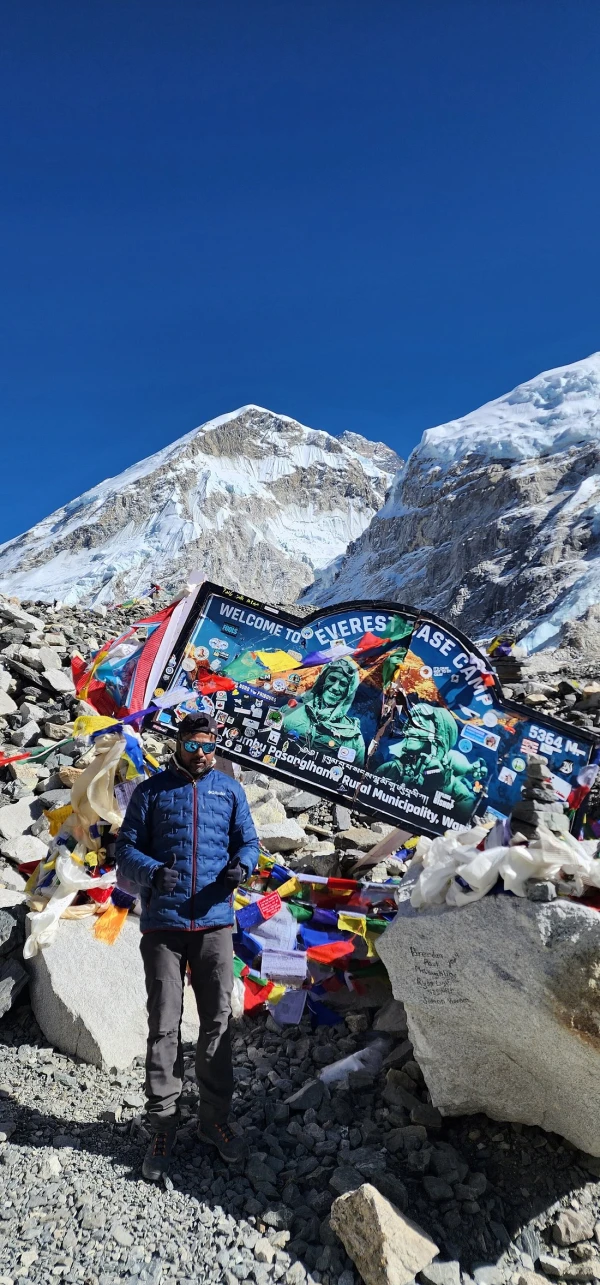
Had an absolute amazing time. The Himalayas were beautiful, had blue skies and views everyday. Himalayan Social Journey and our guides Mingmar Sherpa and Rupesh went beyond our expectations. Definety helped us reach Everest Base Camp without any issues. Would definitely do another trek with them and would not use anyone else.
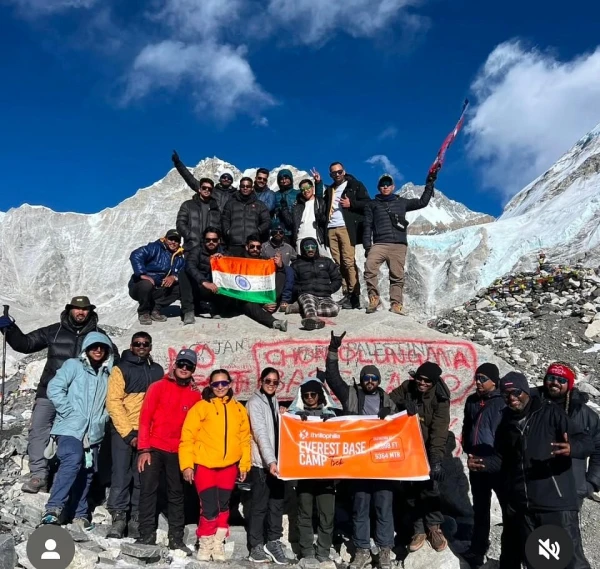
"Awesome Experience!!!"
Mingmar sherpa dai was our trek lead along-with Tenzing dai, Janak and Siddharth. All of them really helped us during entire the trek. Whether it is stay, food or assistance for any additional request. I would highly recommend them as trek leads if you are planning for the trek in and around Nepal. Specially EBC.
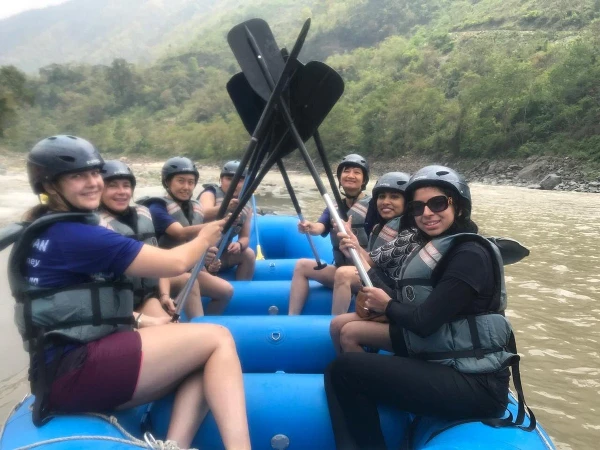
"Best Experience"
⭐️⭐️⭐️⭐️⭐️ Amazing Trishuli rafting experience! I did this rafting in October 2024. Himalayan Social Journey made it safe, fun, and unforgettable. Thrilling rapids and stunning scenery combined for the perfect adventure. Highly recommend!
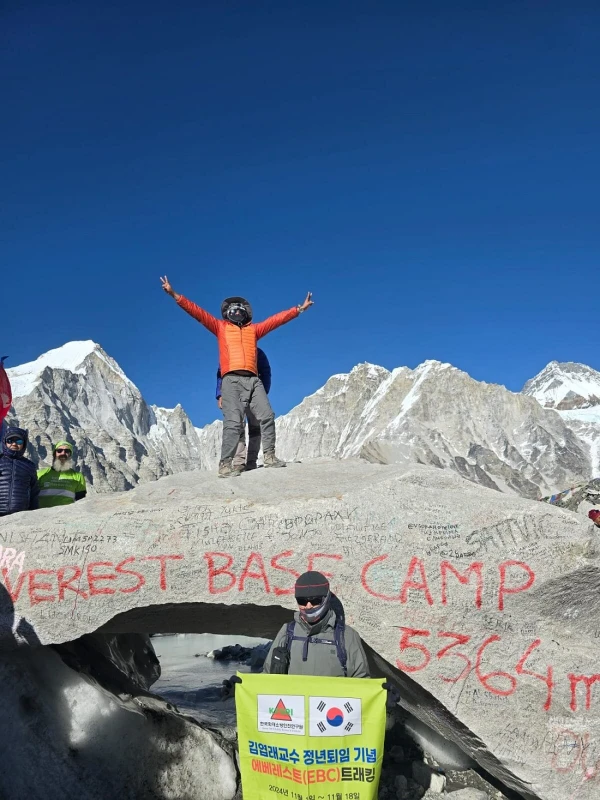
"Best Experience Of My Life!"
It was my first trekking experience in Nepal and Himalayan Social Journey made the entire experience memorable. They are very professional and will help you at every point. A special word of thanks to Sushma, who helped a lot throughout and was my go-to person. My guide Dinesh was a gem and so was the porter, Ramkrishna. Dinesh saved my life a few times (literally) and he is so efficient and helpful that it is hard to put in words. Want togo back to Nepal through HSJ, there is a lot more to do. If you are planning any activity in Nepal you may blindly book with HSJ and be assured of an experience of a lifetime. These guys are more than a tour planner, they are your friend. philosopher, guide all in one!