



Everest Region
About Everest Region Trekking
Trekking in the Everest Region
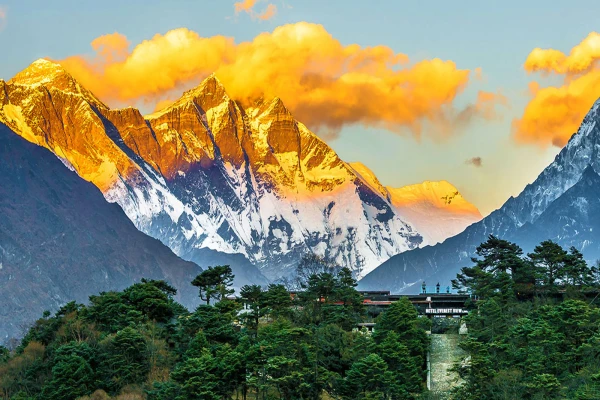
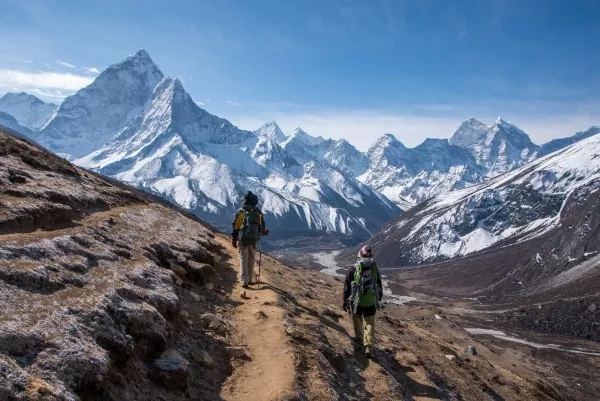
The Everest Region — also called the Khumbu — is the most iconic trekking destination on earth. Home to eight of the world's fourteen 8,000m peaks, the region draws adventurers from every corner of the globe to walk in the footsteps of Sir Edmund Hillary and Tenzing Norgay. Every trail here leads upward through rhododendron forests, over suspension bridges, past ancient Buddhist monasteries, and into the rarefied air of the high Himalaya.
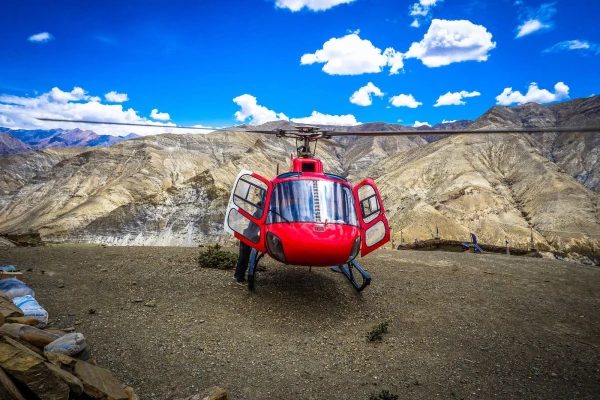
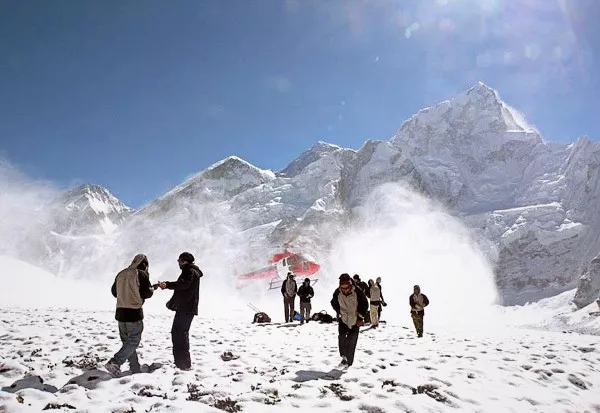
The gateway is Lukla, reached by a short mountain flight from Kathmandu (35 min direct, or 20 min from Manthali/Ramechhap during the busy March–May and September–November seasons). From Lukla, the main trail follows the Dudh Koshi River valley through Phakding to Namche Bazaar — the bustling Sherpa capital at 3,440m that serves as the main acclimatisation hub for all Everest region treks.
Key Highlights
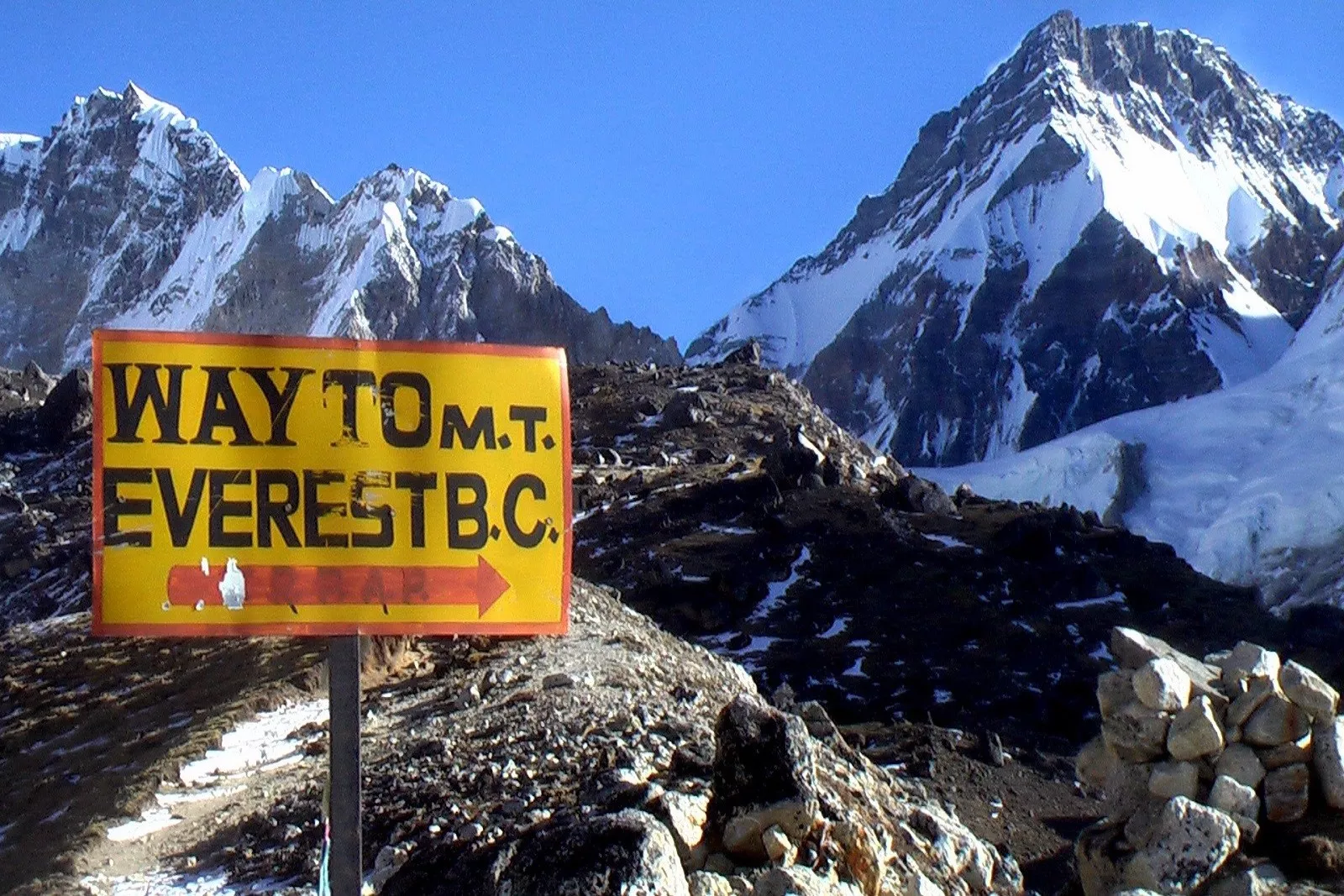
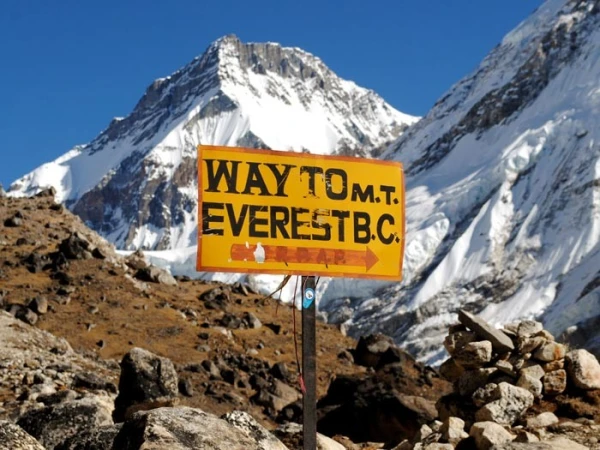
- Everest Base Camp (5,364m) — stand at the foot of the world's highest mountain
- Kala Patthar (5,545m) — the best panoramic sunrise viewpoint for Everest
- Sagarmatha National Park — UNESCO World Heritage Site since 1979
- Tengboche Monastery — the highest and most revered monastery in the Khumbu Valley
- Namche Bazaar — a lively Sherpa market town with bakeries, gear shops, and a Saturday market
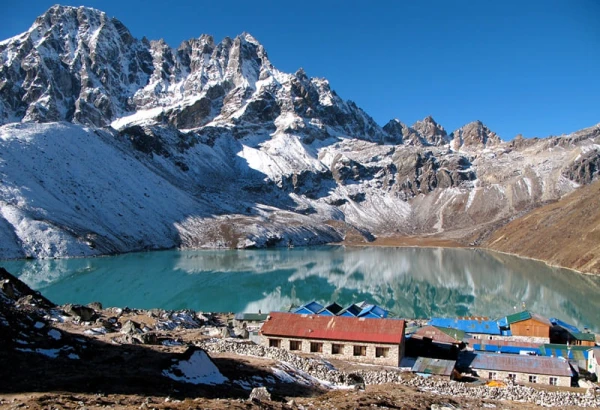
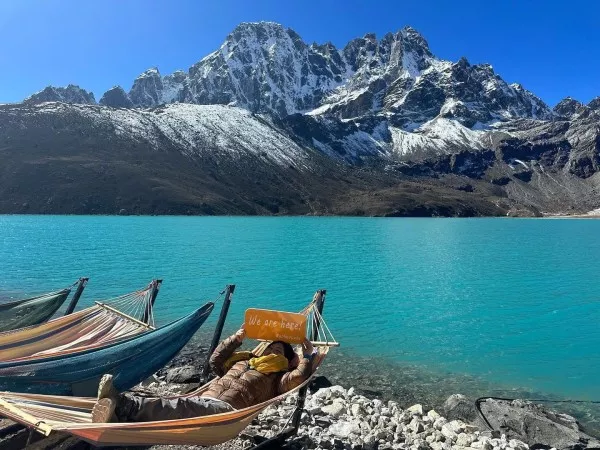
- Gokyo Lakes — turquoise high-altitude glacial lakes above 4,700m
- Three High Passes — Kongma La (5,535m), Cho La (5,420m), Renjo La (5,360m)
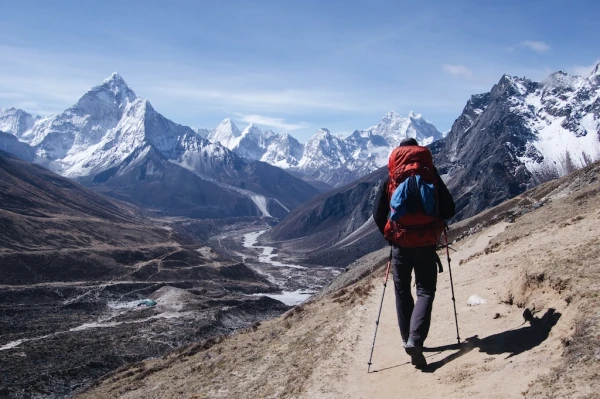
- Ama Dablam, Lhotse, Nuptse, Makalu, Cho Oyu — towering above every trail
Best Time to Trek
Pre-monsoon (March–May) and post-monsoon (September–November) are the two peak seasons. March–May brings rhododendron blooms and clear morning skies; September–November offers the crispest visibility and stable weather. Winter (December–February) is cold but quiet, and the lower trails remain walkable with clear skies. The monsoon (June–August) brings heavy rain and leeches to the lower sections, though higher trails above Namche stay drier.
Difficulty
Most Everest region treks are rated moderate to challenging — the challenge is altitude, not technical terrain. The trails are well-maintained and clearly marked. The key is a slow ascent with proper acclimatisation days built in. No prior climbing experience is required for EBC or Gokyo treks. The Three Passes route is rated strenuous and requires good physical fitness and experience at altitude.
How to Get There
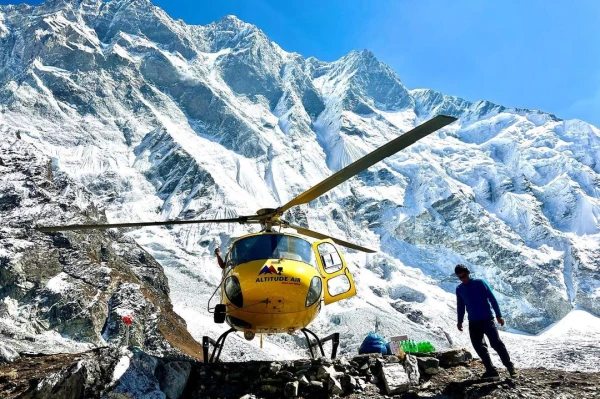
Fly Kathmandu → Lukla (35 min, year-round in off-peak months) or Kathmandu → Manthali (drive 4–5 hrs) → Lukla (20 min) during peak season. HSJ arranges all domestic flights, transfers, and contingency planning for weather delays.
Permits Required
- Sagarmatha National Park Entry Permit — approx. USD 30
- TIMS Card (Trekkers Information Management System) — approx. USD 20
- Khumbu Pasang Lhamu Rural Municipality Fee — approx. NPR 2,000
HSJ arranges all permits on your behalf — no queuing at government offices required.