



Annapurna Region
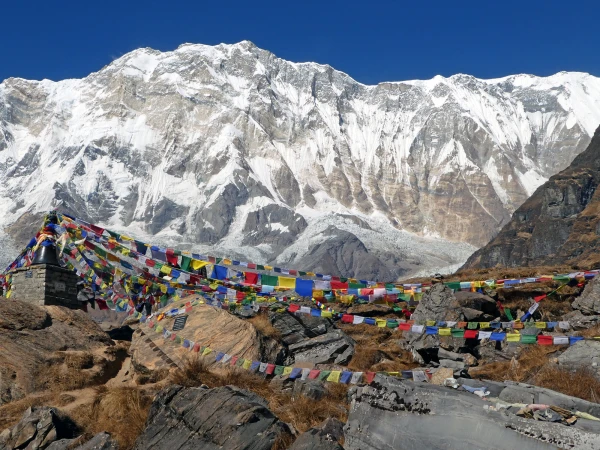
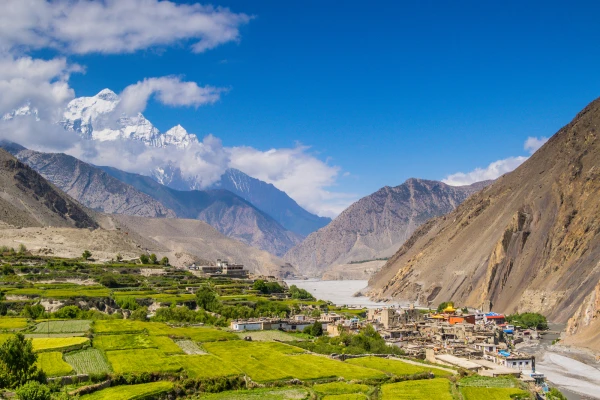
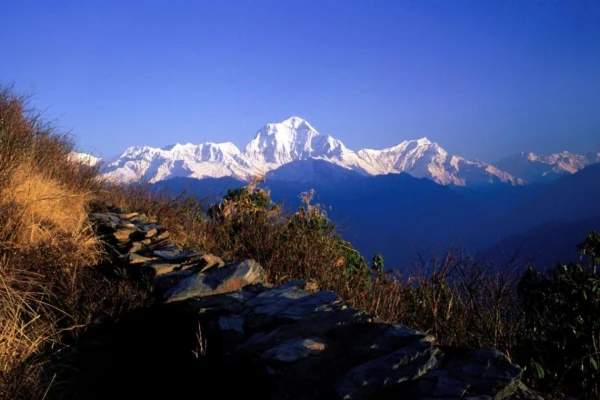
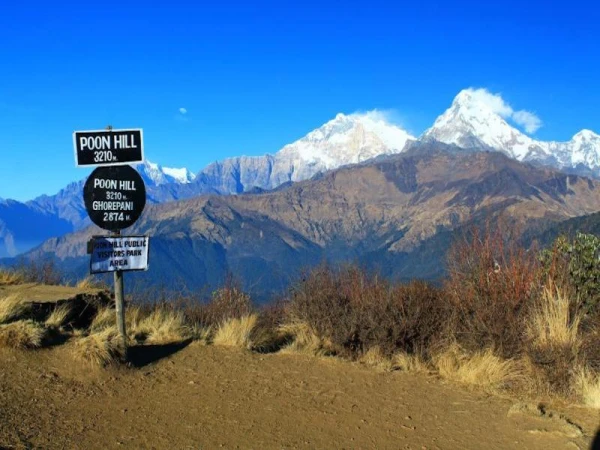
About Annapurna Region Trekking
Trekking in the Annapurna Region
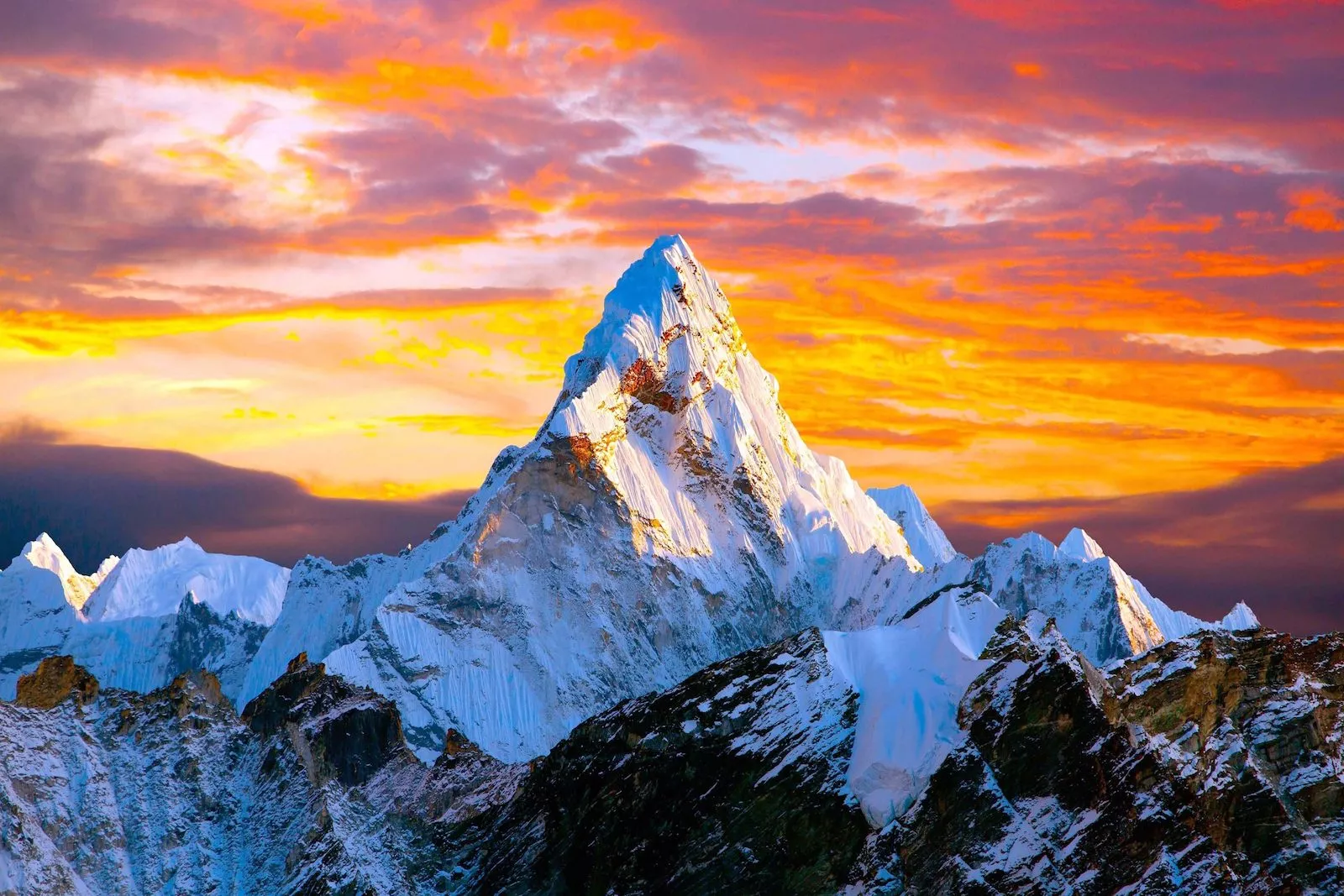
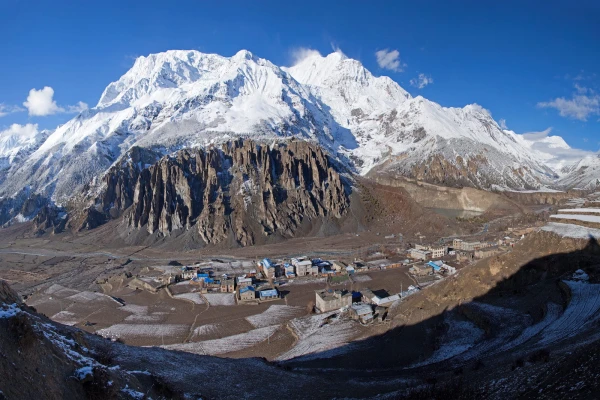
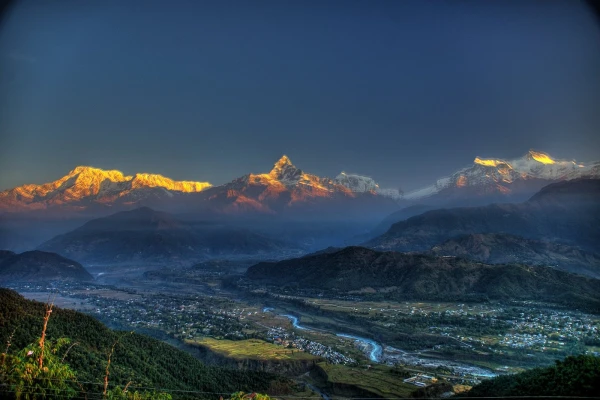
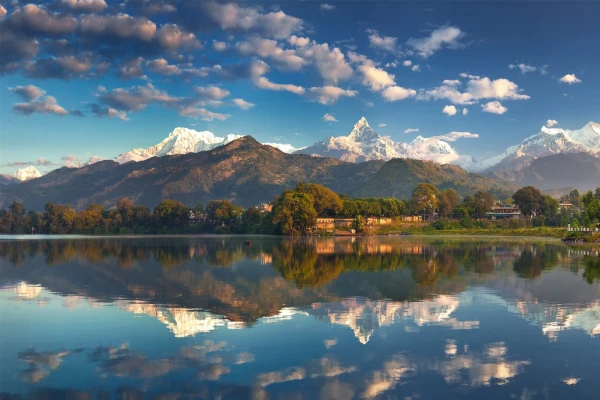
The Annapurna Region is Nepal's most diverse and accessible trekking destination, covering 7,600 sq km of protected land within the Annapurna Conservation Area (ACAP). From subtropical river valleys to arid high-altitude deserts, from Buddhist monasteries to Hindu temples, the Annapurna region packs more variety into a single trek than almost anywhere else in the Himalaya. Pokhara — Nepal's second city, nestled beside the tranquil Phewa Lake — is the gateway to it all.
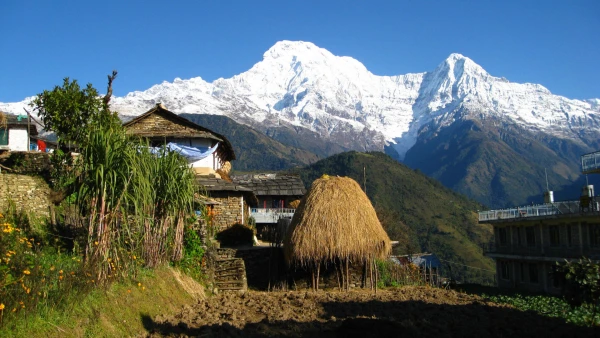
The region's star attraction is Annapurna I (8,091m), the world's tenth-highest mountain and statistically the most dangerous 8,000m peak to summit. But you don't need to climb it — the trails around the Annapurna massif offer some of the most spectacular mountain scenery on earth at altitudes accessible to fit beginners and experienced trekkers alike.
Key Highlights
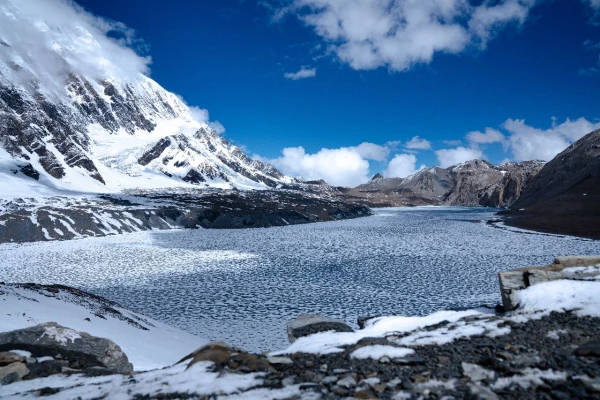
- Annapurna Circuit — a 14-21 day circumnavigation of the Annapurna massif via Thorong La Pass (5,416m)
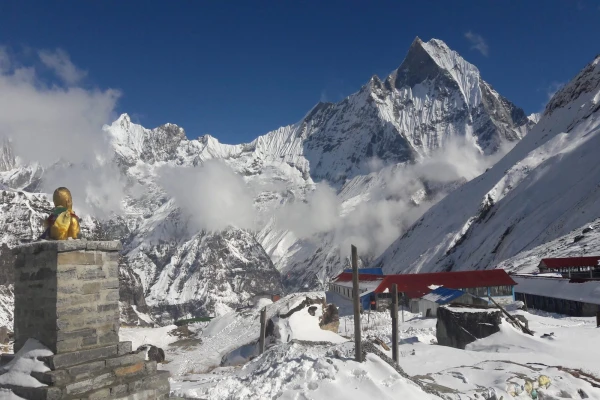
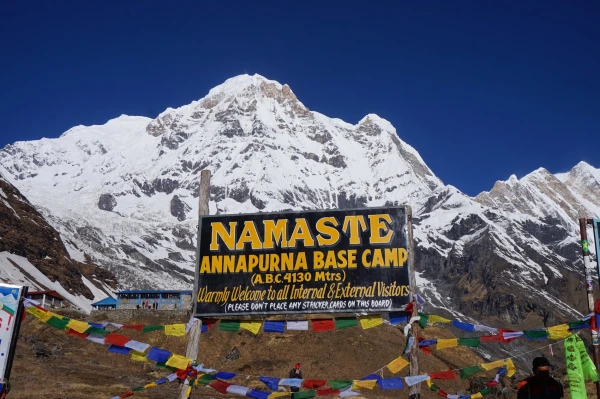
- Annapurna Base Camp — a 10-14 day return trek into the Annapurna Sanctuary at 4,130m
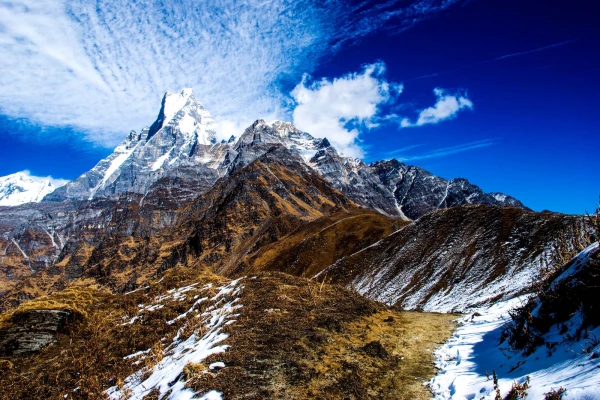
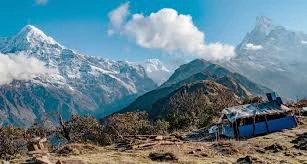
- Mardi Himal Trek — a quieter 7-10 day alternative with superb close-up views of Machhapuchhre (Fishtail) and Annapurna South
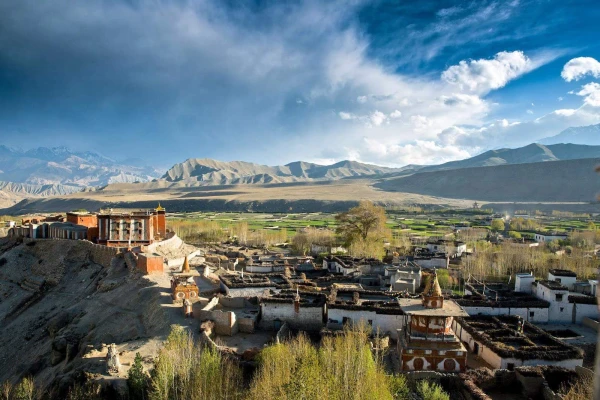
- Upper Mustang Trek — a restricted-area journey into the ancient Lo Manthang kingdom, a Tibetan plateau landscape unlike anywhere in Nepal
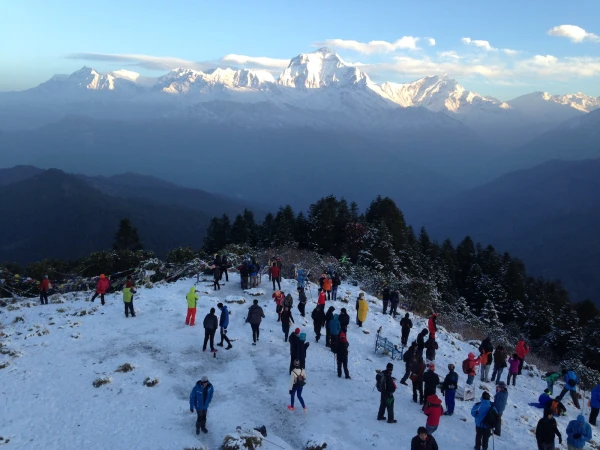
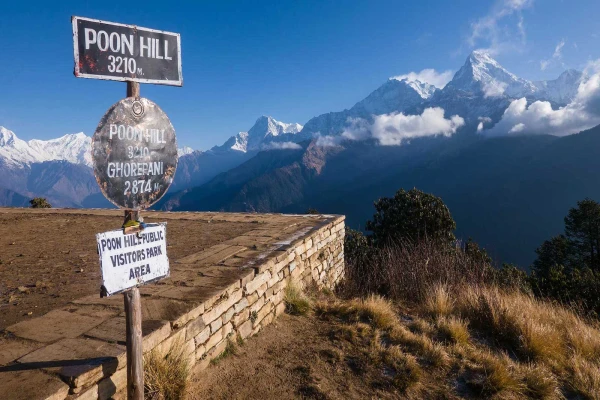
- Ghorepani Poon Hill — a classic 4-5 day introductory trek with a famous sunrise viewpoint over the Annapurna and Dhaulagiri ranges
- Muktinath Temple — a sacred pilgrimage site at 3,760m revered by both Hindus and Buddhists
Best Time to Trek
Pre-monsoon (March–May) and post-monsoon (September–November) are optimal. The Mustang and Manang areas receive far less rainfall during the monsoon due to their rain-shadow position, making them uniquely viable for June–August trekking. Winter treks to lower elevations like Ghorepani remain pleasant from December–February.
Difficulty
The Annapurna region offers routes for every fitness level. Ghorepani Poon Hill is suitable for beginners with minimal trekking experience. Annapurna Base Camp and Mardi Himal are moderate. The Annapurna Circuit is moderate-to-challenging, and Upper Mustang requires some trekking experience due to remoteness. None of these routes require technical climbing.
How to Get There
Fly Kathmandu → Pokhara (25 min) or drive (6–7 hrs by tourist bus or 4 hrs by private car). From Pokhara, trekking routes begin with drives or local transport to the trailheads at Nayapul, Kande, Phedi, Kimche, or Besisahar depending on your route. HSJ handles all logistics from Kathmandu.
Permits Required
- ACAP Permit (Annapurna Conservation Area Permit) — approx. USD 30
- TIMS Card — approx. USD 20
- Upper Mustang Restricted Area Permit — USD 500 for the first 10 days (additional USD 50/day)
HSJ arranges all permits — including the restricted area permit for Mustang — on your behalf.