

Nepal · Peak Climbing
Island Peak Climbing
Trip Highlights
Trip Overview
Highlights of Island Peak Climbing
- Experience the exhilaration of trekking to Everest Base Camp.
- Trek up to 6183m through spectacular scenery.
- Trek through the heart of Sherpa country.
- Informative guides to uncovering the history behind mystical sights
- Breathtaking views of the Everest region
- Get to know the gentle spirit of the Sherpa people.
- Everest, Lhotse, Nuptse, Changtse, Ama Dablam, and scores of other lesser crests seen from a peaked vantage point
- Get among the hustle and bustle of the market town of Namche Bazaar.
- A guided tour of Kathmandu’s ancient temples
Overview
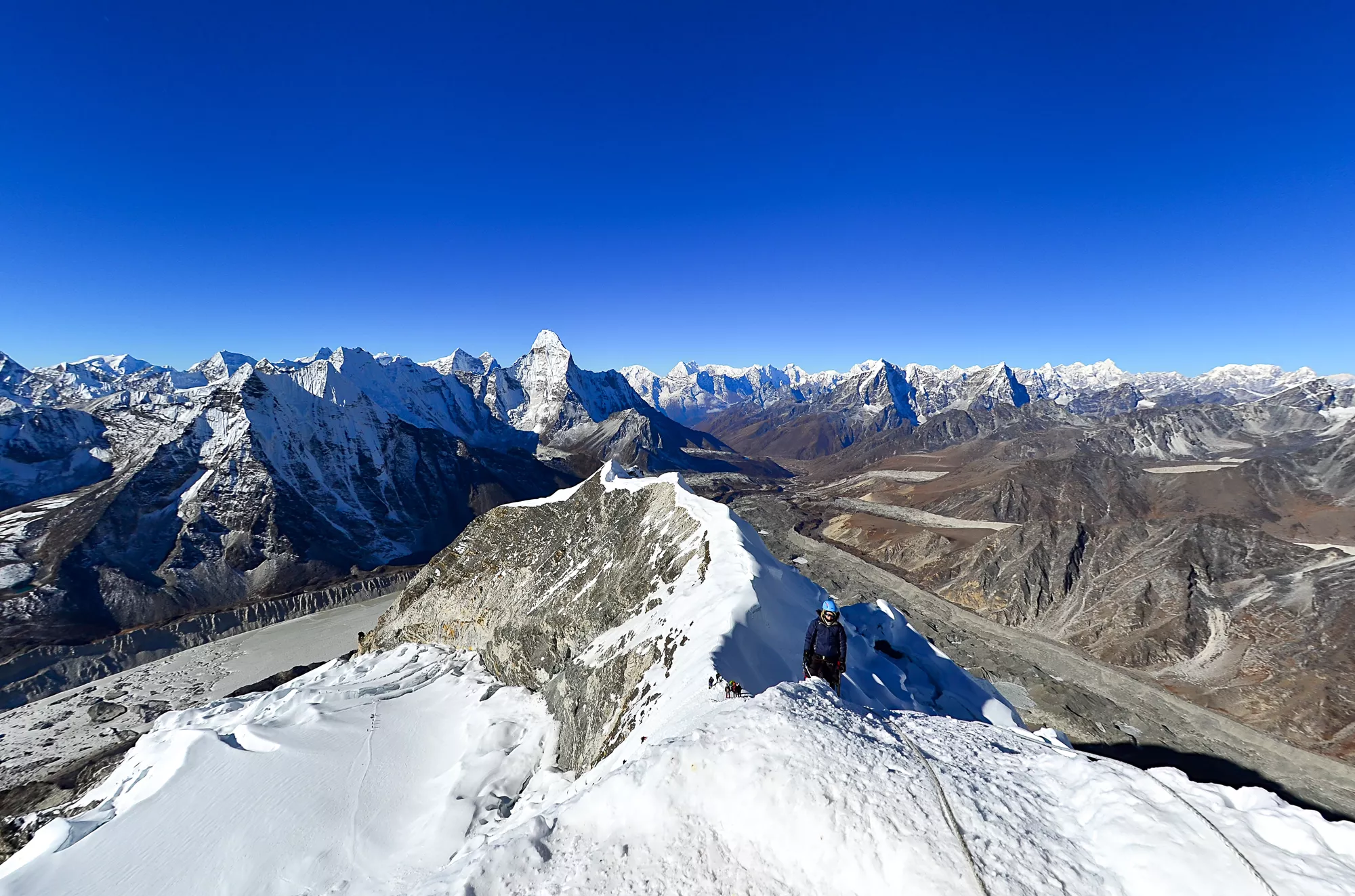
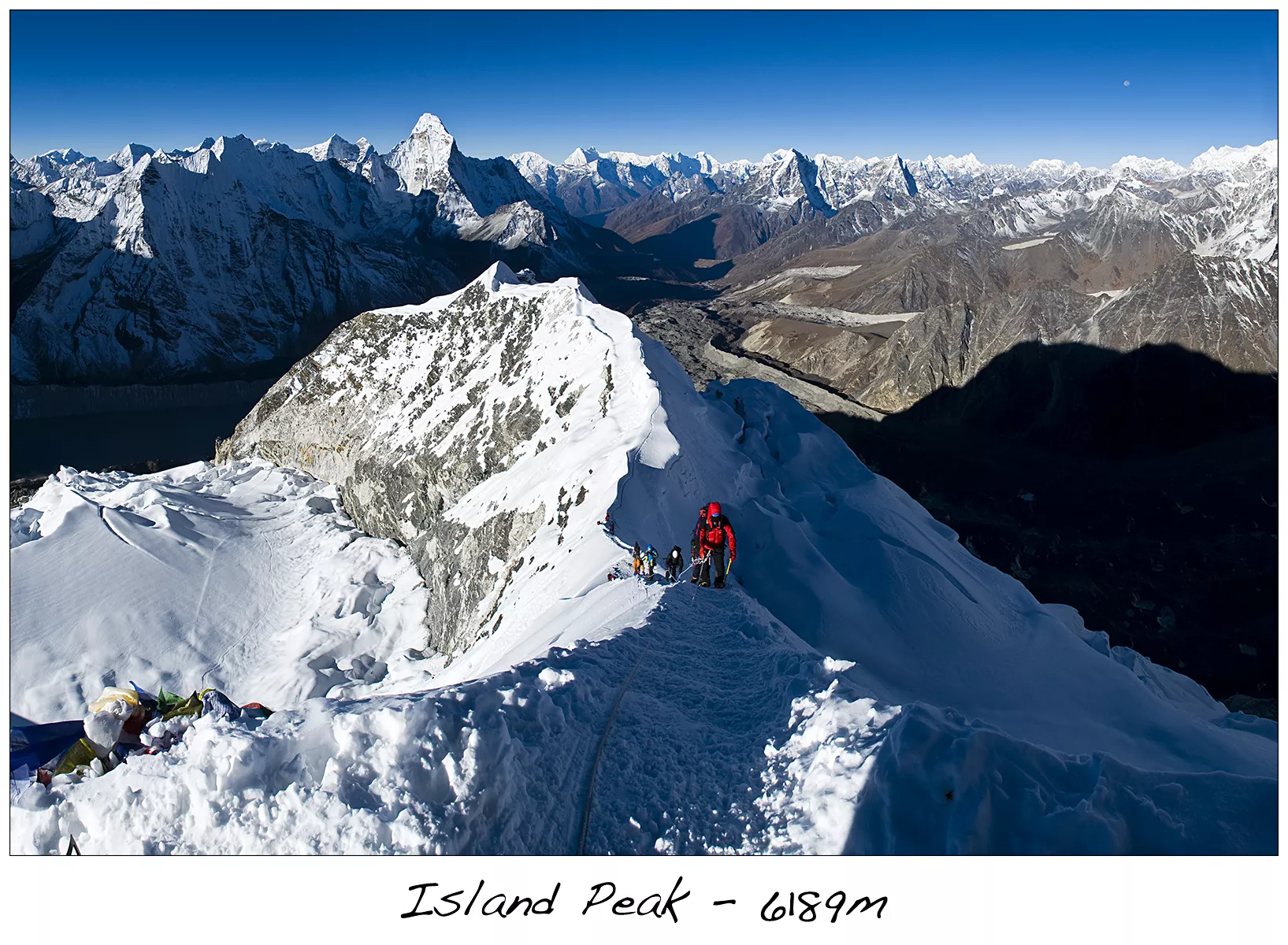
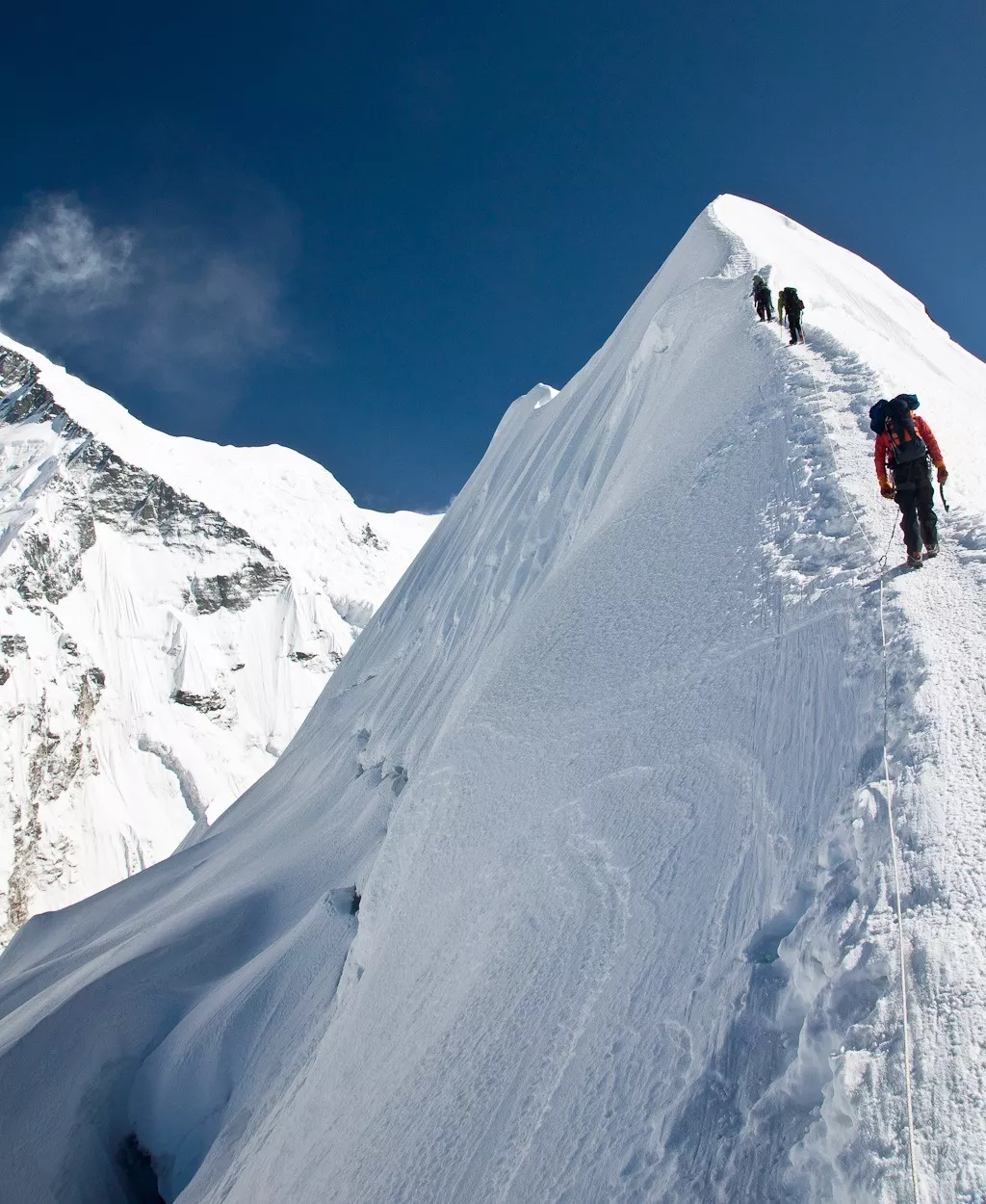
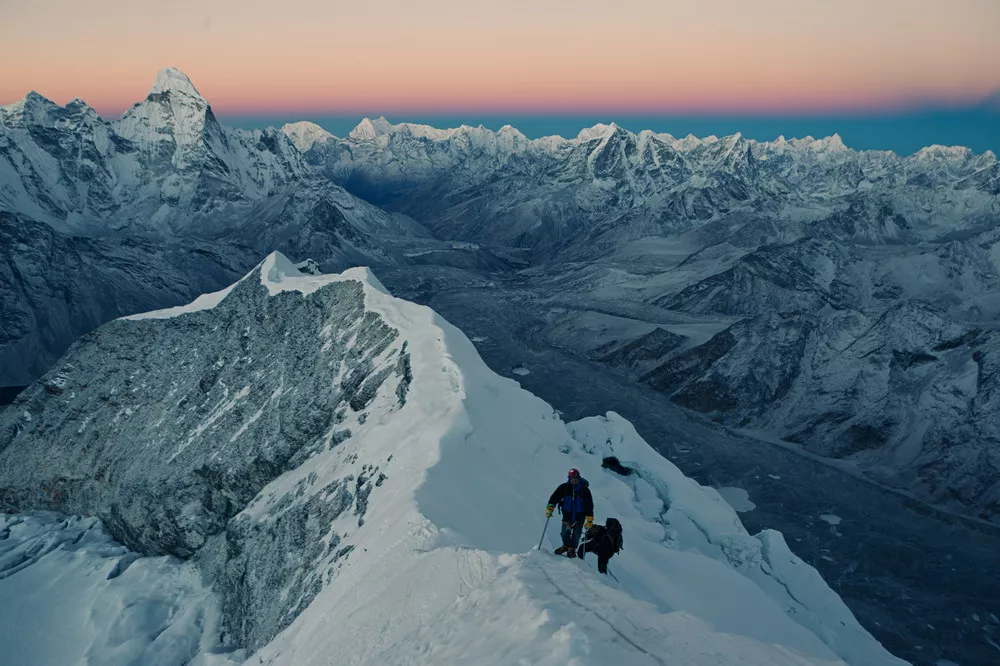
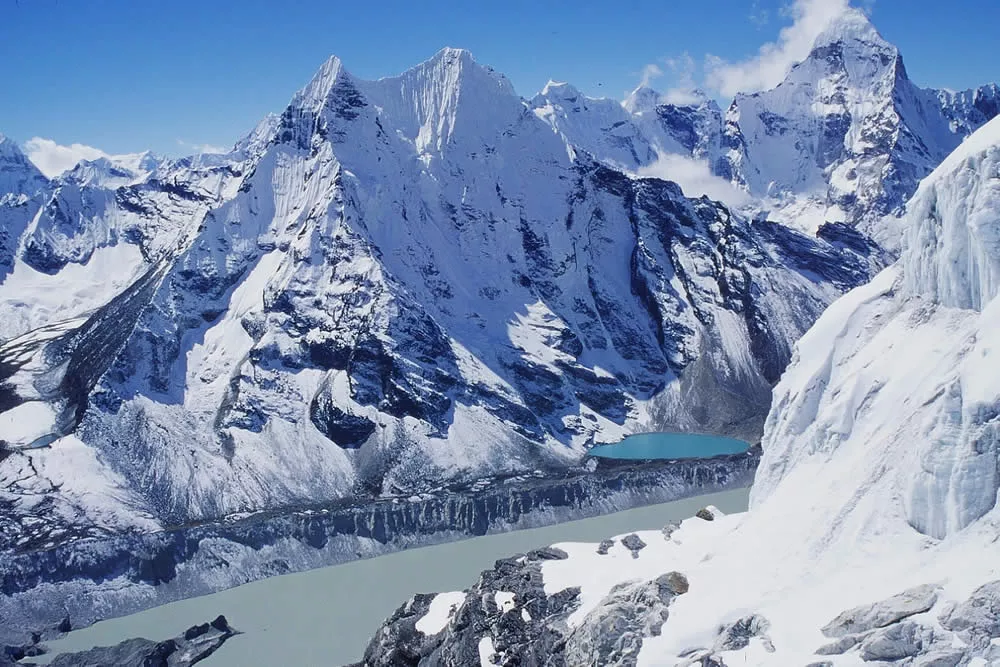
Island Peak, also known as Imja Tse, is one of the most popular trekking peaks in Nepal for climbing in the Himalayas. The combination of the Everest Base Camp Trek and Island Peak climbing is probably the best trip in Nepal, adored by adventure seekers. Imja Tse not only provides an enjoyable climb but also provides some of the most spectacular scenery of the Himalayas in the Everest region. Seen from the summit, the giant mountains of Nuptse (7,879m), Lhotse (8,501m), Lhotse Middle Peak (8,410 m), and Lhotse Shar (8,383m) make a semi-circle in the north. The views of Makalu (8475m) in the east, Baruntse, and Amadablam in the south add more charm to climbing Island Peak. For many mountaineers, climbing Island Peak marks the beginning of climbing in the Himalayas to prepare for a big Himalaya expedition in Nepal in the later years.
Getting to and from Island Peak
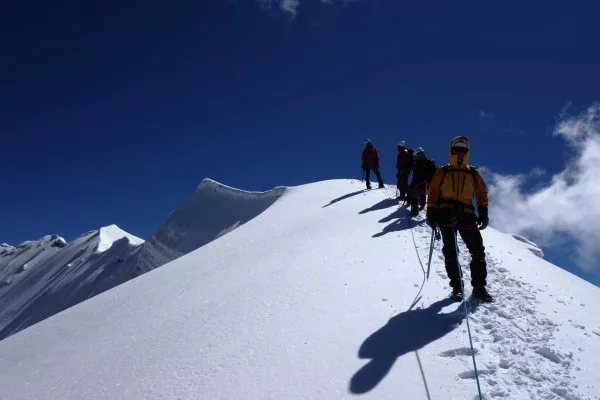
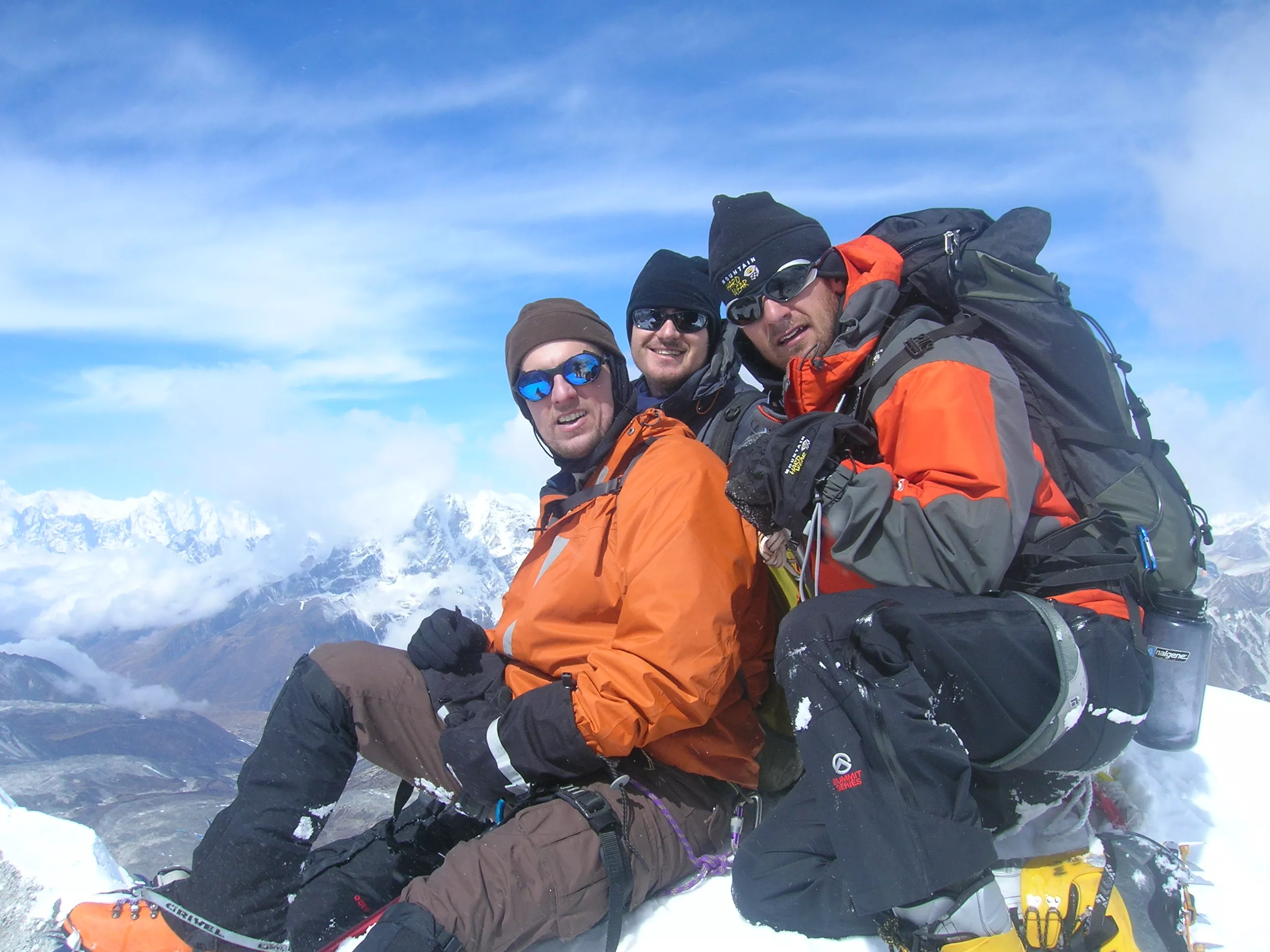
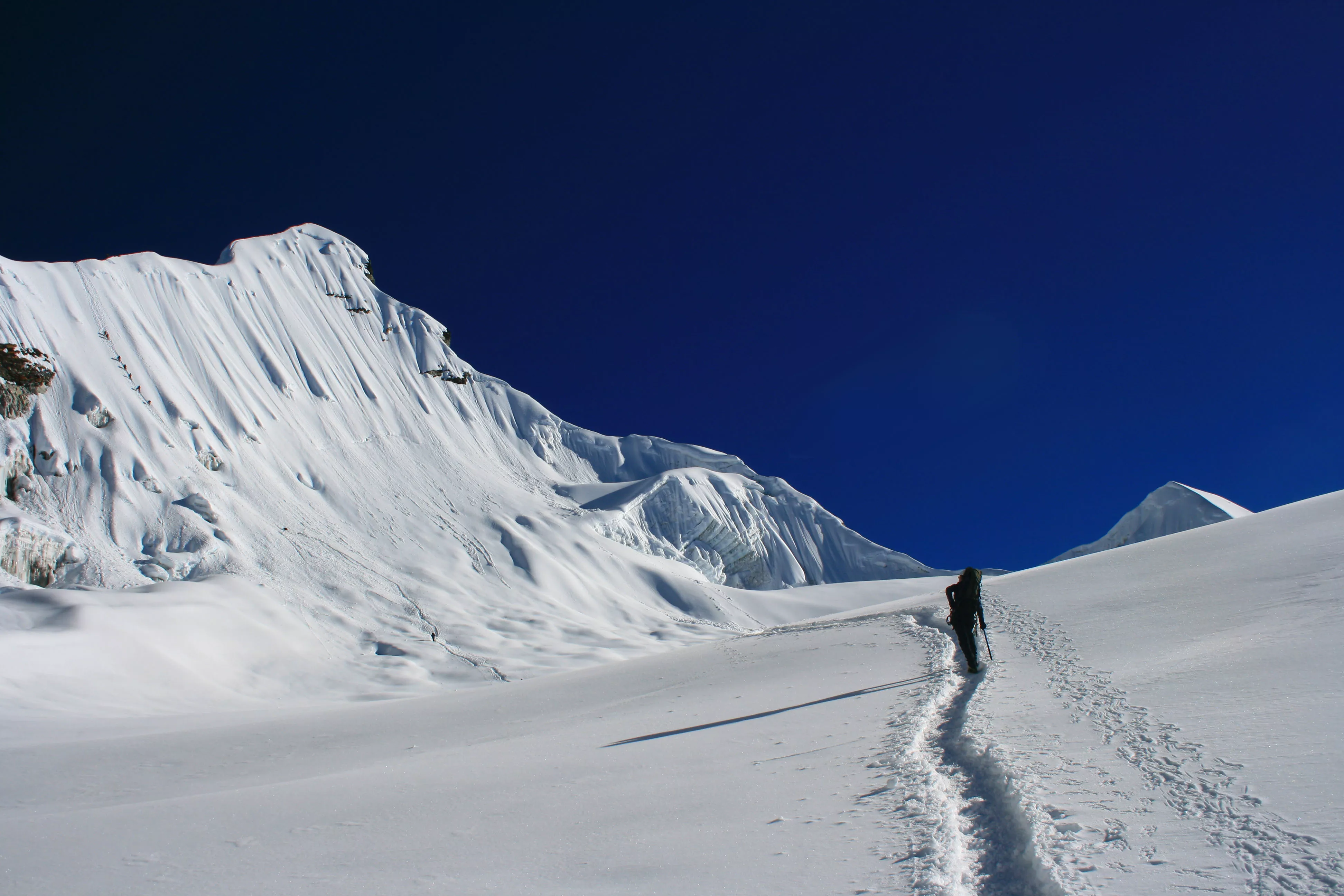
Our excursion starts with a 40-minute' trip to Lukla from Kathmandu. Upon appearance, we will prepare and travel to Phakding, where we will spend the rest of the day visiting nearby religious communities. The following day, we journey to Namche Bazaar, where we will go through a day of acclimatization. We will additionally proceed with the journey to Tengboche, then Dingboche to Chhukung. From here, the path goes upwards the high Imja valley, and lastly to the base camp of Island Peak's south edge, from where we will see striking perspectives underneath the Nuptse-Lhotse wall. The following day, we culminated at Island Peak. We start the highest point day early in the morning scrambling along a stone edge to an ice sheet. Over the stone edge there is a precarious snow head divider prompting the summit. From the pinnacle you will be compensated with staggering, strange perspectives on mountains Nuptse (7,879m), Lhotse (8,501m), Lhotse focal (8,410 m), and Lhotse Shar (8,383 m), which structure a semi hover in the north, and the shocking perspectives on Makalu (8475m), Baruntse (7129 m), and the well-known endeavor pinnacle of Amadablam (6812m). You will be left with a sense of achievement that will last a lifetime. Next, we slide down and remember our travel trail for our arrival excursion to reach Lukla. This energizing experience of ascending a trip at Island Peak Climbing with Everest Base Camp finishes with a brain-catching grand mountain departure from Lukla back to Kathmandu.
This ascension is the tenderfoot's means to up to mountaineering undertakings for apprentice mountain dwellers who might be enthused about slope walkers with past mountaineering experience utilizing crampons and ice hatchets.
Day-by-Day Itinerary
Upon reaching Kathmandu, our representative will greet you at the airport, providing a warm welcome before transferring you to your hotel. Use this day to acclimate to the new time zone and dive into the vibrant atmosphere of kathmandu. An orientation program is scheduled for 5 pm to help to get acquainated with your surroundings.
Following breakfast, our knowledgeable tour guide from Himalayan Social Journey will escort you on a captivating journey to explore Nepal's UNESCO-listed world heritage sites. Today's itinerary includes visits to the renowned Pashupatinath temple, the majestic Bouddhanath stupa, the tranquil Swoyambhunath Stupa and the historicPatan Durbar Square.
Today marks the commencement of our adventure towards our destination. We will catch an early flight to Lukla and be greeted by breathtaking mountain vistas upon arrival. Our trek kicks off towards Phakding, where we''ll traverse through enchanting pine forests and charming Sherpa communities. As we reach the delightful village of phakding, we''ll settle into a cozy tea house for the night, utilizing the remaining daylight to wander and absorb the beauty of phakding. We''ll conclude the day with a fulfilling dinner at the teahouse.
During peak season (March, April, May, October, and November), flights to Lukla operates from Ramechhap/Manthali. Manthali is around 5 to 6 hours' drive from Kathmandu. In non-peak seasons (January, February, June, July, August, September, and December), flights to lukla operates from Kathmandu.
Overall, the decison to operate Lukla flights from Kathmandu or Ramechhap depends upon the weather and traffic flow. This diversion soley depends on the airlines, with the primary goal of ensuring safety and efficiency of trekkers.
The trek from Phakding to Namche Bazar involves a scenic joureny through the Everest region. We'll traverse along the Dudh Koshi river,cross suspension bridges, and pass through picturesque sherpa village like Monjo. Ascend gradually through forest until reaching Namche Bazar, the bustling gateway to Everest.
Prepare for a successful trek to Everest Base Camp. Begin by embracing acclimization, crucial for altitude adjustment. Namche Bazar offers the perfect setting for this. Today, pritorize relexation and exploration, allowing our body to adapt to higher altitudes. Enhance acclimization with a brief hike to Everset View Hotel. Spend the afternoon immersing in the charm of Namche Bazar and its Sherpa Museum. Stay hydrated throughout the day, savoring local Sherpa cuisine for dinner. Ensure a restful night's sleepp by retiring early.
From here, we ascend towards Tengboche village, offers them with the first view of Everest itself. We can only see the tip, but the feeling is somewhere between cool and surreal. To know we're looking at the highest place on Earth. We will also be greeted with Tengboche Monastery of Dawa Choling Gompa. Visitors to Tengboche are permitted to walk freely about the monastery grounds, and they can even get a peak inside during certain hours. Check into a tea house for over night-stay and have a dinner and good sleep.
After staying overnight in Tengbouche, we head to Dingboche in the morning. Our trail descends and passes through lush forests of birch, conifer, and rhododendron trees. While trekking, we can admire good views of Mt. Everest, Lhotse, and Ama Dablam. We continue our walk to the Imja Valley and Lobuche River before ascending to Dingboche. Later day we will be enjoy a stunning view of Ama Dablam.Check into a tea house for diiner and good sleep.
As we journey from Dingboche to Lobuche, our path towards our destination draws nearer. The rugged terrain intensifies with each step, and the air grows thinner as we navigate the high- altitude landscape. Our day begins with a hearty breakfast, followed by preparation for the trek. We ascend towards Thukla pass, where breathtaking vistas of Punori and Nuptse await us. After a rejuvenating break in Thukla, we press onward towards Lobuche. Upon reaching our destination, we settle into a cozy tea house for the night, enjoying a satisfying dinner and before retiring for some well- deserved rest.
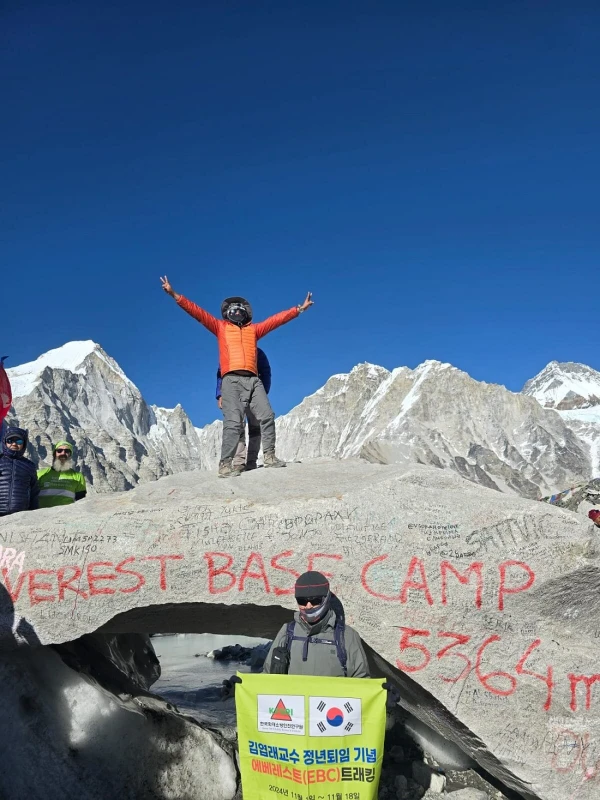
Begin morning adventure from Lobuche after a hearty breakfast, traverse rugged terrain as we ascend towards Gorakshep, the final settlement before reaching Everest Base Camp. Take a brief break at a tea house for lunch, then set off on the exhilarating journey to Everest Base Camp, navigating the Khumbu Glacier.After soaking in the awe-inspiring experience at Everest Base Camp, trek them back to Gorakshep, where we can enjoy a delicious dinner at the tea house and retire early for a well-deserved rest.
Ascend verticrtically behold the majesctic summit Pumori(7, 145m), Khumbuste (6,623m), Lingtren (6,697 m) and beyond delineating the border between Nepal and TIbet, all visible from the elevated vanatge point of Lho Lho pass. Marvel at the captivating panaroma including the enchanting landscapes of Changaste (7,750 m) before retracing our step back to Lobuche , encapsulating an unforgettable journey amidst nature's grandeur.
The trek back to Dingboche offers breathtaking views of the Khumbu valley and its surrounding peaks, including Ama Dablam and Thamserku. Descending from Lobuche, the trail gradually winds through rocky terrain and glacial moraines, providing glimpses of the rugged beauty of the Himalayas. Finally, upon reaching Dingboche, you'll be greeted by the familiar sight of its stone houses and fields, providing a sense of accomplishment ana a chance to rest and rejuvenate before continuing your trek in the khumbu region.
Trekking to Chukkung from dingboche is a scenic and relatively short hike in the Everest region of Nepal. The trail offers breathtaking views of towering peaks, including Ama Dablam and Lhotse. Make sure to acclimitaze properly and stay hydrated throughout the journey.
Embark on a scenic stroll alongside the Imja Khola, leading to the mesmerizing destination of Pareshaya Gyab. Along the way, marvel at the majestic Nuptse-Lhotse Wall and the stunning expanse of the Lhotse Glacier. The following day, gear up for peak climbing preparations, including hands-on training with essential tools like the ice axe and climbing boots,as well as mastering rope techniques for ascending and descending.
Embark, on an exhilarating adventure by starting ascent of island Peak at 3 a.m., embracing the serenity of the early morning hours. After a rewarding climb lasting 5-6 hours, savor breathtaking vistas from the summit before descending to unwind in the tranquil of Chukkung.
Descend out of the alpine desert and back into landscapes of pine forests. Walk down to the valley, where the trail is shallower, through alpine meadows. The path leads to a steep uphill climb into Tengboche.
Following crossing of the suspension bridge over the Dudh Koshi River, continue trek to kyanjuma, a pivotal junction leading to the Gokyo Valley, Khumjumg village, and Namche Bazar. Along the way, immerse in the lush rhododendron forest, teeming with diverse wildlife such as Pheasants, Himalayan Griffons, Musk Deer, and wild goats.
The descent from Manjo to the Dudh Koshi is difficult. Walk through rhododendron and pine forests with the view of snow-covered peaks before arriving at Lukla.
Take a morning flight from Lukla to Kathmandu/ Ramechhap. Explore Kathmandu, enjoy dinner and enjoy your last night in kathmandu. Please note that flight operations are solely determined by the airline and may be influenced by the weather.
You will enjoy breakfast in the morning, followed by a convenient airpot drop-off by our representative for your international flight , perfectly aligned with your schedule. Alternatively, if you're extending your stay in Nepal, you're welcome to join another exciting trip.
What's Included
Recommended Equipment
Available Departures
Frequently Asked Questions
The best time for climbing is during the months of April, May, September, and October in November.
The temperature is favorable during these months. The night is less windy, and the days are sunny. The weather is not as cold as in winter and there are no big plumes as in monsoon.
Extra time:
It is easier to add extra time while preparing for your journey to Peak Climbing. The climatic conditions in the mountains you will never know about. Your flights could be delayed or cancelled due to bad weather. Also, you may have to rest a few days at a lower altitude when you suffer from a high altitude sickness.
Schedule for Acclimatization
It will be difficult to reach an altitude above 6000 m, so the right amount of acclimatization is important. Air conditioning is performed to allow the body to respond strongly to its surroundings. Before you climb up, you need to give your body a proper rest.
Adequate preparation
Before you begin this journey, your mind and body should be well prepared. A great deal of energy is required as the steep paths are ascending. The last steep ascent through the headwall is the most exciting part. You can conquer them by preparing properly.
Verify your equipment.
In guaranteeing your health, gear plays a key role. To hit the top, you will need numerous mountain gears and kits. You can rent in Kathmandu or at the Chukhung, but it can be average. You must also properly test your equipment so that it does not break during a storm or snowfall.
Research the weather and risks, and also check on some surviving tactics and techniques in extreme conditions.
You will be trekking for 5-7 hours a day, depending on the landscape and destination.
You need physical and technical training before you start your journey. A mountaineer should be well aware of the entire journey.
On this climb, you bring mountain equipment like ropes, crampons, harnesses, etc. These gears are critical for fast and safe climbing.
You will camp to adapt to camping life and, if possible, to use the facilities. This helps to increase the understanding of how to deal with them.
You should do some physical activity yourself before climbing. For example, walking, swimming, cycling, etc.
You reach the summit without hesitation with proper preparation and acclimatization schedules.
At 9,500 meters, Lukla is 2850 meters high. The higher the height, the less rain there is. The aircraft must then land quickly. The weather in this area is continuously shifting, and the cloud cover can be severe and contribute to large turbulences, which appear to be rough for travelers but not dangerous. In fact, it is the busiest airport in the world and the most important port of entry and exit for walkers trying to climb Everest.
Usually, between October and May, the flights are regular. However, you can encounter a delay or cancellation of the flight due to high altitudes, bad weather, or unexpected technical problems. In the case of these events, Himalayan Social Journey charters a helicopter to ensure you are either on a safe journey or on your flight home, which is an unpredictable occurrence that will incur additional costs. If the visibility is less than 1,500 m, however, helicopter facilities cannot work, and the flight will have to be rescheduled. The Himalayan Social Journey will reschedule your flight for you. But please allocate one or two extra days for the journey.
You will need to arrange both the Trekking Information Management System (TIMS) permit and the Sagarmatha National Park permit. You will need a national park permit and special permits for peak climbing and expeditions, which are not included in the total trip cost. HSJ will help you arrange all the necessary permits.
These will need to be checked at different checkpoints along the trek.
Make sure you also bring a minimum of four passport photos for your trekking permit!
|
MONTHS |
MARCH-APRIL-MAY |
SEPT-OCT-NOV |
DEC-JAN-FEB |
JUNE-JULY-AUGUST |
|
Permit Fee (USD) |
250 PP |
125 PP |
70 PP |
70 PP |
Garbage deposit for all 33 NMA Peaks
And the amount of US$250.00 should be deposited with the NMA as garbage to get a permit for all 33 NMA peaks.
The refund shall be made as per the provisions made by the NMA.
Travel insurance and rescue when traveling to a remote destination like Nepal are strongly advised. It should provide adequate protection for the full duration of the tour. Your insurance policy must cover all the activities that you will be undertaking during your stay in Nepal, such as helicopter rescue, cancellation, air ambulance, injury, death, lost baggage, theft, liability, medical treatment, and covering repatriation and personal expenses. If a client becomes ill, all hospital expenses, doctors’ fees, and repatriation costs are the client’s responsibility. For reliable travel insurance, we have the suggestions of some of the best insurance companies: Cover more, Europe assistance or Travel Direct. We have an agreement with Helicopter Company to do the payment for helicopter evacuation after we collect the payment from you once you have been rescued. And the reimbursement responsibility from your insurance company will go up to you. Be sure your policy specifically covers helicopter evacuation and does not exclude mountaineering or alpinism.
The insurance of the guide and porter is covered by the company. All our guides and porters are properly insured.
The maximum weight limit for the Lukla flight is 15 kg, which is equivalent to 33 pounds including your handbag (daypack). If your baggage exceeds the weight limits, additional costs of USD 1–2 per kg will be applicable, and the payment should be made at the airport counter itself.
You need to train your body and brace yourself for 8–10 hours a day in all weather conditions to walk on rugged terrain of 8–20 km. You're going to walk both below and above the average altitude of Nepal. Trekking under the hot sun and on chilly nights is also likely.
Training makes the journey less complicated, safer, and more pleasant. So before you go on a trekking experience, you need to spend more time and effort training. The best way is to get to the top stairs, which take one or two minutes. Until you puff, you can do 10 sets. By putting on a backpack weighing from 5 kg to 20 kg, you can add strength. Your heart and lungs will become healthier by doing so. One thing you have to remember is that before you start the training program, you still have to warm up and stretch. Running, jogging, or hill climbing may be other aerobic exercises. Or you can choose any exercise in the aerobic range (70% of your maximum heart rate). Aerobic activity protects the heart and reduces the risk of stroke and heart attack. It also strengthens your lungs. It enhances breathing, endocrine, muscle tone, and bone strength.
On the trek, we'll be staying at simple lodges run by Nepali families. During the trek, the bathrooms are outside the rooms, and hot water is dependent on solar panels, so don't count on many warm showers.
Most teahouses (lodges) in Everest region trails cook a delicious range of mostly vegetarian fods like pasta, tuna bakes, noodles, potatoes, eggs, daal bhat (rice and lentils), bread, soup, fresh vegetables (variety depends on the season), and even some desserts like apple pies, pancakes, and some interesting attempts at custard. You will find a lot of garlic on the menu because it assists with acclimatization; eat some every day. In many villages, you may find some meat items on the menu. You can always get hot chocolate, tea, and hot lemon drinks, as well as soft drinks and treats like chocolate and crisps.
During the camping season, our catering staff prepares hygienic food to serve you when on base camp and high camp.
Yes, all are required. Climbing gear, tents, plastic climbing boots, crampons, climbing rope, ice-ax, zoomer, harness, figure eight, carabineer, etc. will be provided by the company.
Traveler Reviews
"Best way to experience Nepal"
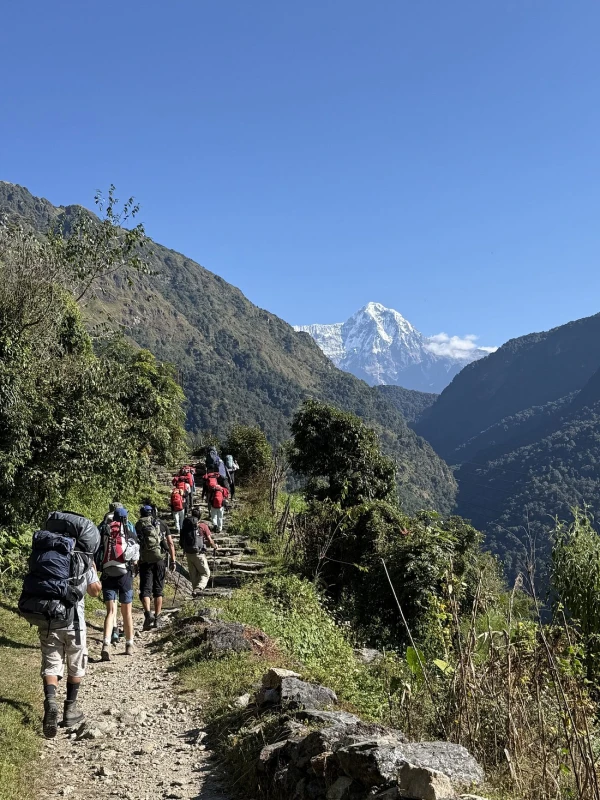
We did the 14 days Nepal budget tour and we could not be more happy with our choice. In only 2 weeks we visited Kathmandu, Chitwan national park, Pokhara and did a 5 day trek in the Annapurna region. The organization was flawless (like a swiss clock). We felt safe and welcomed in every place. Our guides Harka (Chitwan) and Ganesh (Pokhara and trek) + Bishal (our porter) did an outstanding job. We recommend them and the whole trip 100%. It was much better than we could have imagined. In the end, we recommand everyone to visit the beautiful places from Nepal and meet its warm and welcoming people.
"💯"
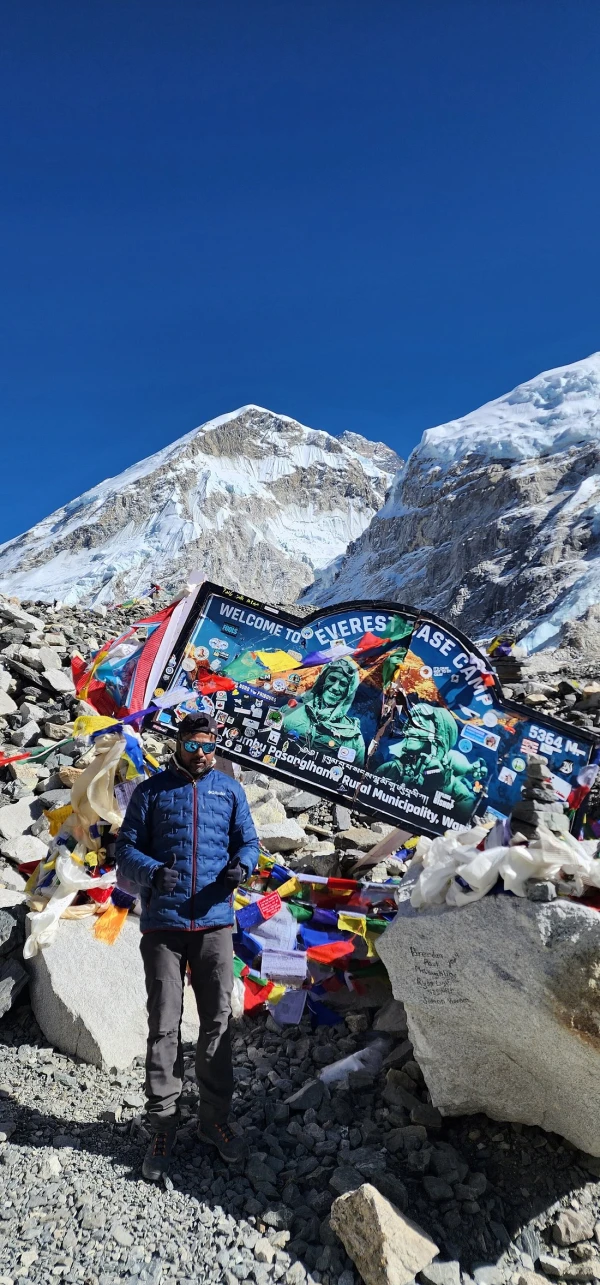
It was an wonderful experience with himalayan social journey,mingmar and Rupesh are our guide and they did so well. Everyday it was on time ,well planned and executed trek👍
"Amazing Everest Base Camp Trek!!"
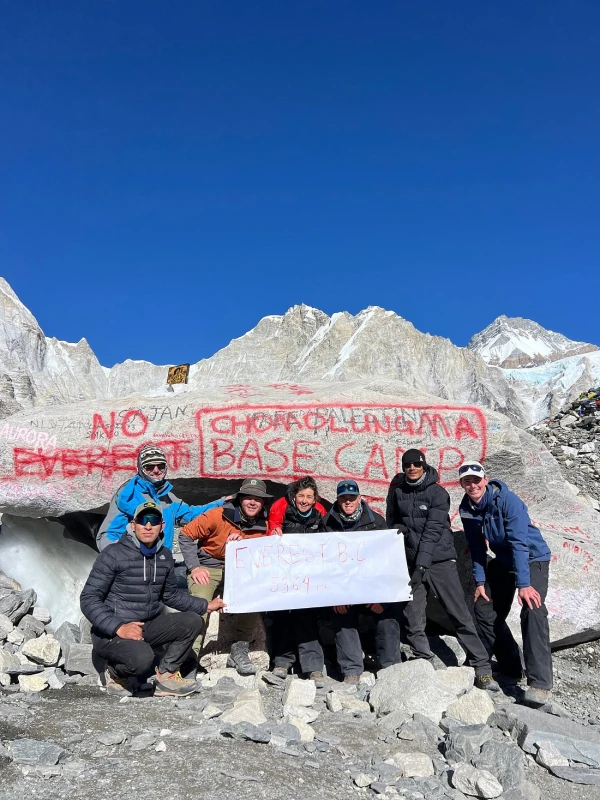
Had an absolute amazing time. The Himalayas were beautiful, had blue skies and views everyday. Himalayan Social Journey and our guides Mingmar Sherpa and Rupesh went beyond our expectations. Definety helped us reach Everest Base Camp without any issues. Would definitely do another trek with them and would not use anyone else.
"Awesome Experience!!!"
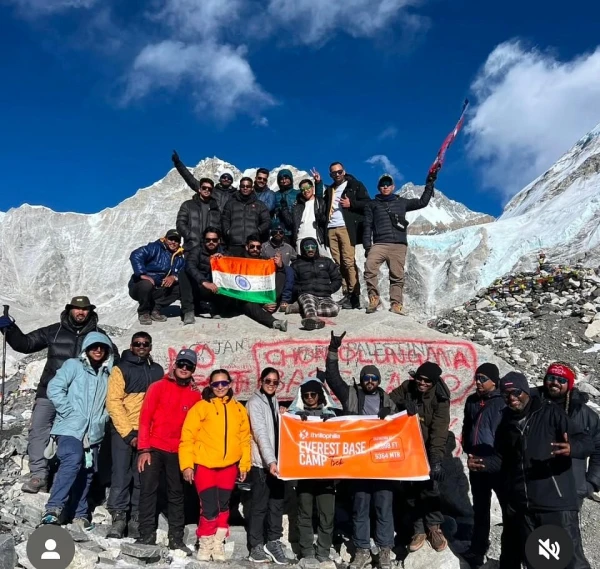
Mingmar sherpa dai was our trek lead along-with Tenzing dai, Janak and Siddharth. All of them really helped us during entire the trek. Whether it is stay, food or assistance for any additional request. I would highly recommend them as trek leads if you are planning for the trek in and around Nepal. Specially EBC.
"Best Experience"
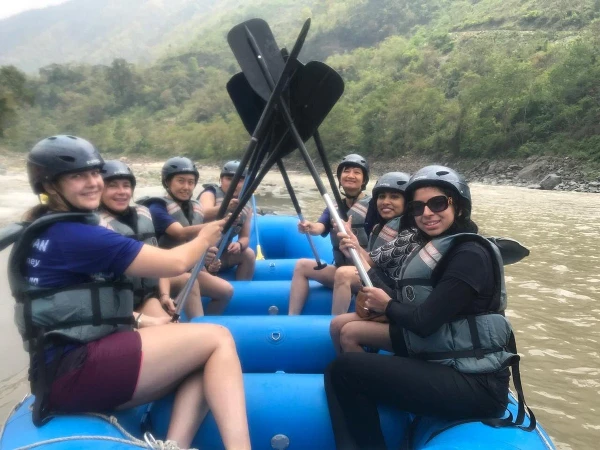
⭐️⭐️⭐️⭐️⭐️ Amazing Trishuli rafting experience! I did this rafting in October 2024. Himalayan Social Journey made it safe, fun, and unforgettable. Thrilling rapids and stunning scenery combined for the perfect adventure. Highly recommend!
"Best Experience Of My Life!"
It was my first trekking experience in Nepal and Himalayan Social Journey made the entire experience memorable. They are very professional and will help you at every point. A special word of thanks to Sushma, who helped a lot throughout and was my go-to person. My guide Dinesh was a gem and so was the porter, Ramkrishna. Dinesh saved my life a few times (literally) and he is so efficient and helpful that it is hard to put in words. Want togo back to Nepal through HSJ, there is a lot more to do. If you are planning any activity in Nepal you may blindly book with HSJ and be assured of an experience of a lifetime. These guys are more than a tour planner, they are your friend. philosopher, guide all in one!